Understanding Banda Sea currents and how they affect diving
– Current strength varies seasonally, impacting dive sites.
– Certain currents attract diverse marine life, enhancing diving experiences.
– Knowledge of currents aids in planning safe and enjoyable dives.
Introduction to Banda Sea Currents
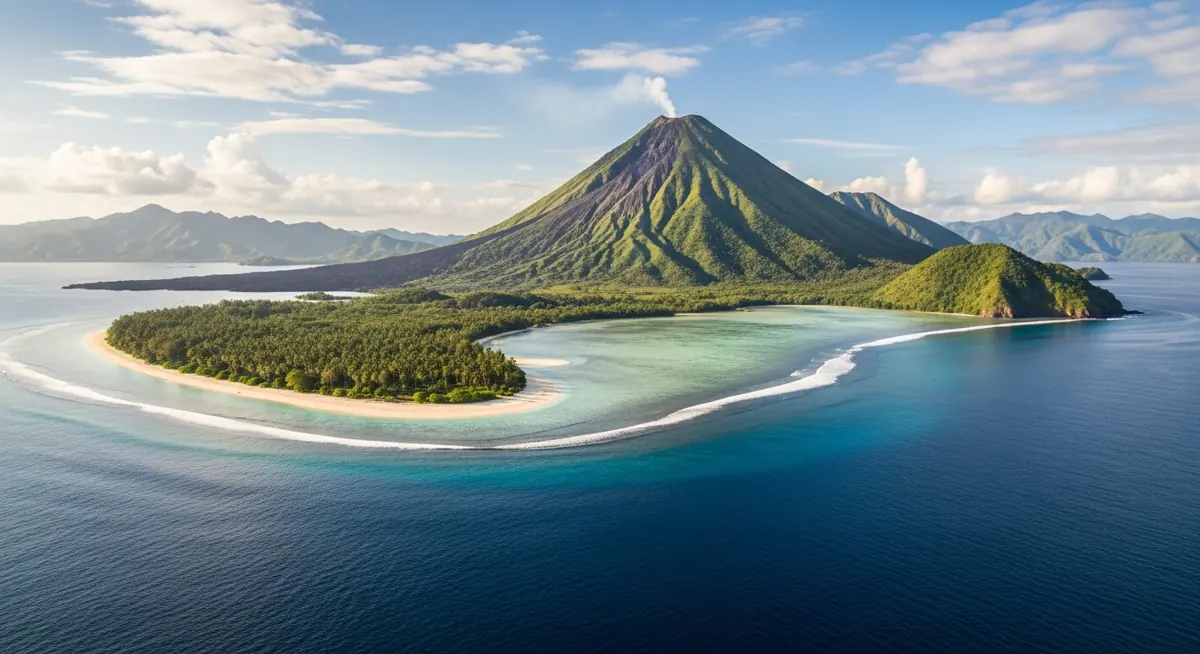
The Banda Sea is a critical area for divers, renowned for its vibrant marine ecosystems and diverse underwater topographies. Understanding the currents that flow through this region is essential for planning safe and successful dives. This post will explore the key currents of the Banda Sea, their seasonal variations, and how they affect diving experiences.
Overview of Banda Sea Currents
The Banda Sea is characterized by several significant currents that flow through the region, influenced by both oceanographic and meteorological factors. These currents can be classified into two main categories: surface currents and subsurface currents.
Surface Currents
Surface currents in the Banda Sea are primarily driven by wind patterns and the Earth’s rotation. The Indonesian Throughflow, which transports warm water from the Pacific Ocean to the Indian Ocean, significantly affects surface currents in this area. Key features include:
- Equatorial Current: Flows from east to west, influencing water temperatures and marine life distribution.
- Southeast Monsoon Current: Occurs from June to September, bringing cooler waters and affecting visibility at dive sites.
- Northwest Monsoon Current: Flows from December to March, generally resulting in warmer waters and enhanced biodiversity.
Subsurface Currents
Subsurface currents play a crucial role in nutrient distribution and marine life movements. These currents often follow the contours of the seabed and can vary significantly in strength and direction. Important subsurface currents in the Banda Sea include:
- Downwelling Currents: Occur in areas where water is forced downward, often leading to increased nutrient availability and supporting diverse marine ecosystems.
- Upwelling Currents: Bring nutrient-rich water from the depths to the surface, stimulating plankton blooms and attracting larger marine species.
Seasonal Variations of Currents
The Banda Sea’s currents vary significantly throughout the year, influenced by seasonal weather patterns. This variability can impact diving conditions, making it essential for divers to plan their trips accordingly.
Dry Season (April to October)
During the dry season, the Banda Sea experiences a predominance of the Southeast Monsoon. The currents tend to be weaker, resulting in calmer waters and improved visibility for divers. Key points during this season include:
- Optimal visibility, often exceeding 30 meters.
- Warm water temperatures averaging between 28-30°C (82-86°F).
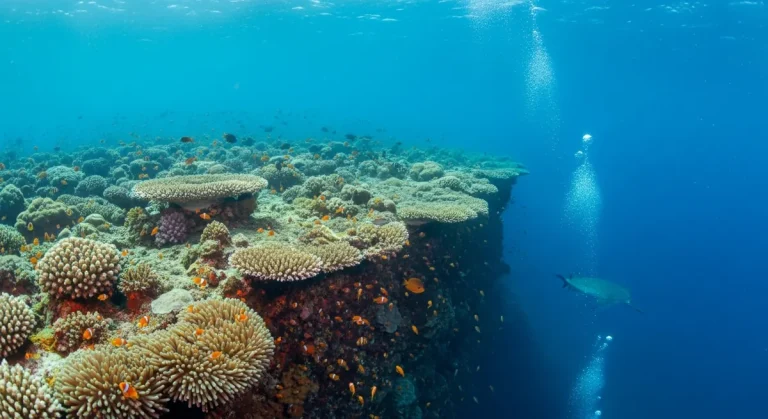
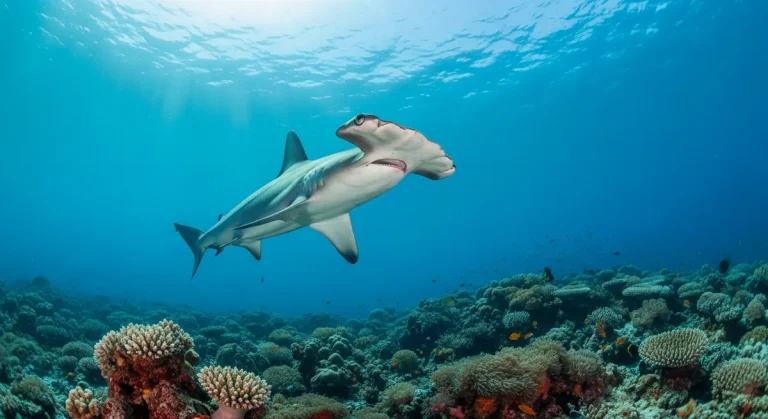
- Increased sightings of pelagic species such as manta rays and sharks.
Wet Season (November to March)
The wet season brings the Northwest Monsoon, resulting in stronger currents and more turbulent conditions. Divers may experience:
- Variable visibility, sometimes reduced to 10-20 meters.
- Water temperatures ranging from 26-28°C (79-82°F).
- Increased chances of encountering large aggregations of marine life due to upwelling currents.
Impact of Currents on Diving
Understanding the currents in the Banda Sea is critical for maximizing the diving experience. Here are some ways currents influence diving conditions:
Marine Life Distribution
Currents play a vital role in distributing nutrients and marine life throughout the Banda Sea. Strong currents can lead to:
- Increased biodiversity at dive sites, particularly where upwelling occurs.
- Opportunities to see larger marine species attracted to nutrient-rich waters.
- Varied dive experiences depending on current strength and direction.
Dive Site Accessibility
Currents can affect access to specific dive sites. Divers should consider:
- Some sites may be more challenging to access during periods of strong currents.
- Guided dives are recommended to navigate areas with unpredictable current patterns.
- Liveaboard trips often adjust itineraries based on current conditions for safety and enjoyment.
Safety Considerations
Safety is paramount when diving in the Banda Sea. Understanding currents can help divers minimize risks:
- Always check current reports before diving.
- Choose dive sites based on current conditions and your experience level.
- Be aware of potential for strong currents, especially during tidal changes.
Planning Your Dive Trip
When planning a diving trip to the Banda Sea, consider the following factors to make the most of your experience:
Choosing the Right Liveaboard
Liveaboard trips offer the best access to diverse dive sites and are often tailored to current conditions. When selecting a liveaboard, consider:
- Vessel size and amenities that fit your comfort level.
- Itineraries that focus on areas with favorable current conditions.
- Guided experiences with knowledgeable crew familiar with local currents.
Timing Your Trip
Timing your trip around the seasonal variations of currents can enhance your diving experience. Consider:
- Visiting during the dry season for calmer waters and better visibility.
- Planning trips around new and full moons when currents may be stronger.
- Booking well in advance, especially during peak seasons, as prices can vary.
Maximizing Your Diving Experience in the Banda Sea
Divers exploring the Banda Sea should pay close attention to current patterns, as they can significantly shape marine life sightings and determine which dive sites are accessible. By anticipating these currents, you can enhance your safety and the overall quality of your dive. For more detailed insights into planning your trip, including liveaboard options and diving itineraries, visit our comprehensive guide at banda Sea Liveaboard Pricing & Cost Guide. If you’re an experienced diver or just starting out, the Banda Sea provides opportunities tailored to all skill levels.
Need more planning resources? Check our banda Sea Liveaboard Pricing & Cost Guide or explore the options available for your adventure.