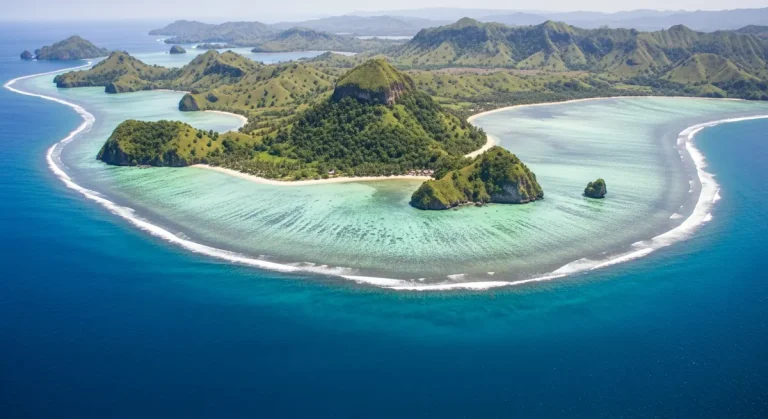
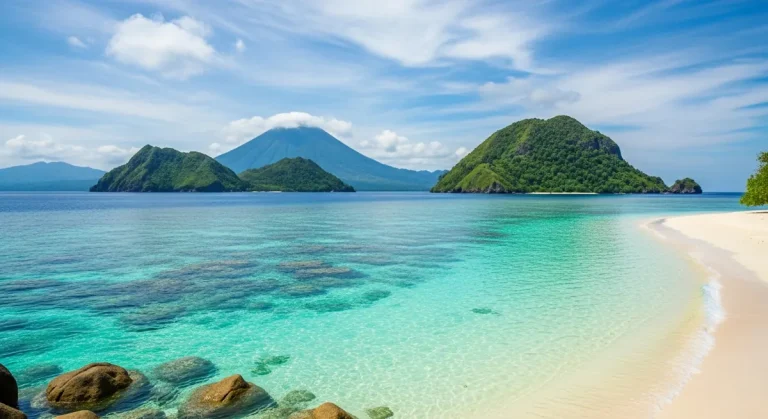
Essential safety tips for Banda Sea liveaboard diving
– Always dive with a buddy for added safety.
– Check equipment thoroughly before each dive.
– Stay aware of local weather conditions and currents.
Understanding Banda Sea Liveaboard Diving
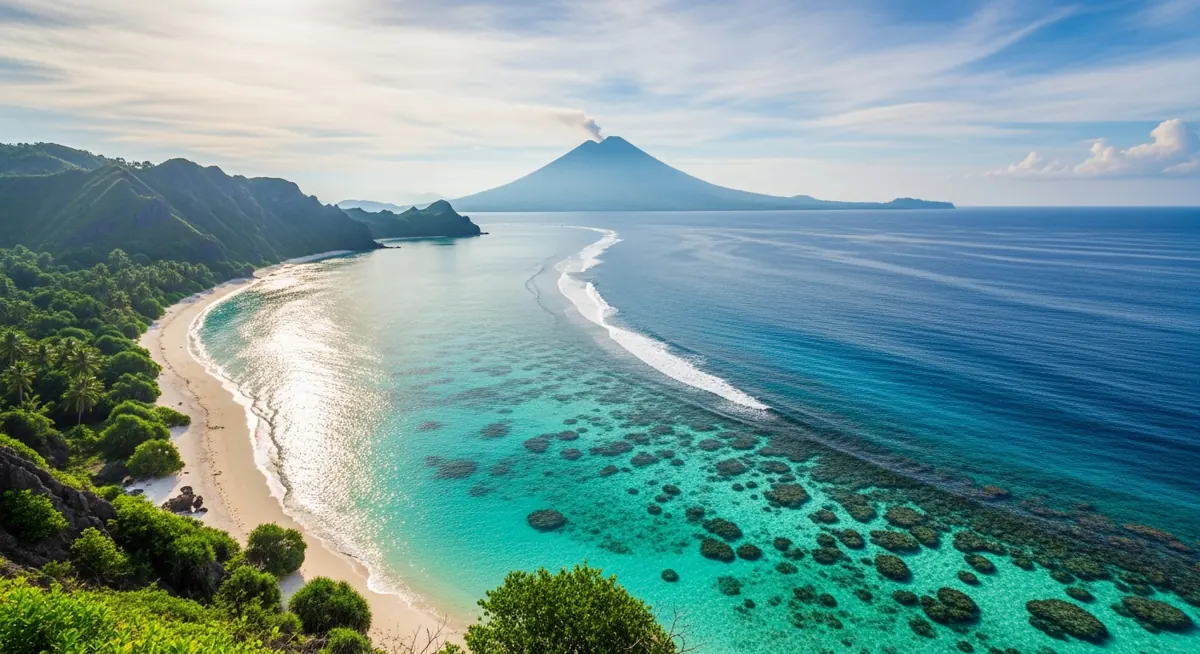
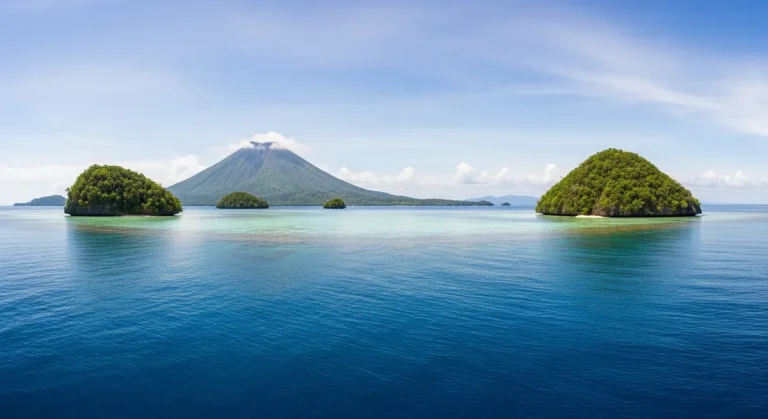
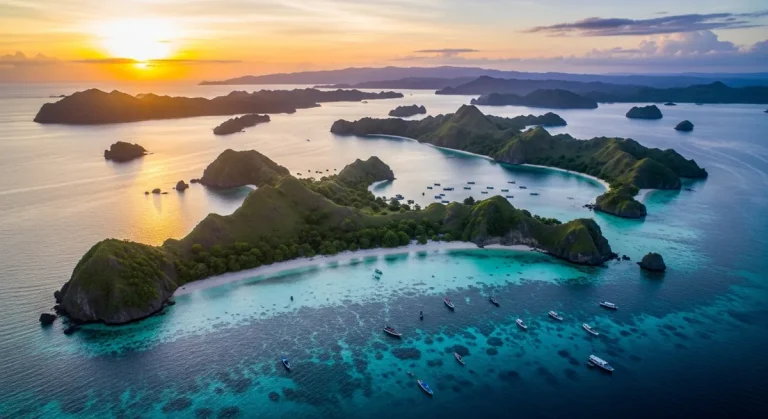
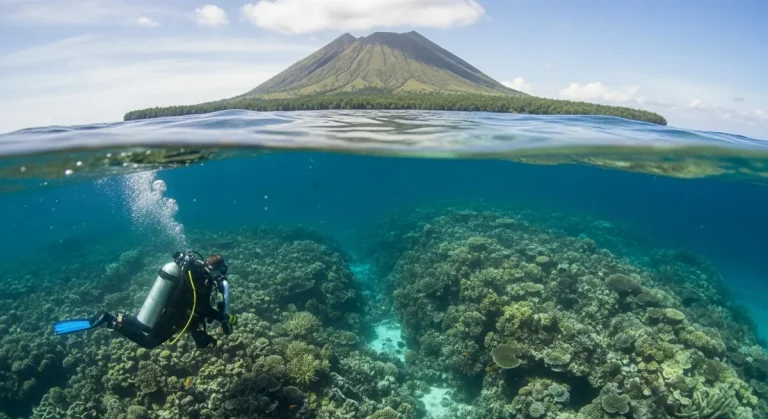
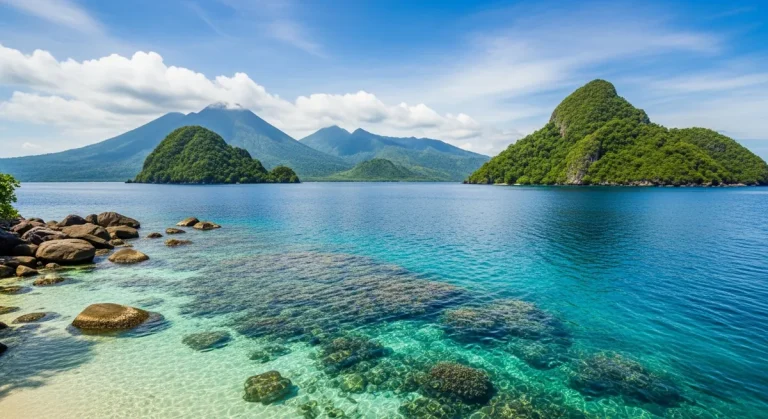
The Banda Sea is renowned for its pristine waters, rich marine biodiversity, and vast coral reefs. A liveaboard is an ideal way to explore this region, allowing divers to reach remote dive sites that day trips may not cover. However, with exciting opportunities come inherent risks. Understanding safety precautions is essential for a memorable diving experience.
Pre-Dive Preparation
Before you begin your Banda Sea liveaboard adventure, take these pre-dive preparation steps seriously:
Check Your Diving Certification
Ensure you have the appropriate diving certification for the type of dives you’ll be undertaking. Most liveaboard operators require at least an Open Water Certification, while advanced dives may require higher certifications. If you’re unsure about your level, consult with your dive instructor or operator.
Review Equipment
Make a checklist of essential diving gear, including:
- Diving mask
- Snorkel
- Diving wetsuit
- BCD (Buoyancy Control Device)
- Regulator
- Dive computer
- Fins
Inspect your equipment thoroughly before the trip and ensure all gear is functioning properly. If you’re renting equipment, confirm that it meets safety standards.
Health and Fitness Considerations
Diving can be physically demanding. Ensure you are in good health and consult a doctor if you have any concerns. Be aware of conditions like asthma or heart issues that could affect your ability to dive safely. Maintain hydration and avoid alcohol before diving.
Onboard Safety Protocols
Your liveaboard vessel should have safety protocols in place. Familiarize yourself with these protocols upon boarding.
Briefing and Safety Drills
Attend the safety briefing provided by the crew. This briefing will cover emergency procedures, equipment usage, and dive site information. Pay attention and ask questions if you’re unclear about any point. Participate in safety drills, which can include how to use emergency oxygen and life vests.
Emergency Equipment
Ensure the liveaboard is equipped with:
- First Aid Kit
- Oxygen supply
- Floatation devices
- Emergency beacon
Know the locations of this equipment and how to access it in an emergency.
Diving Practices
Once in the water, adhering to safe diving practices is crucial.
Dive with a Buddy
Always dive with a buddy. Having a partner not only enhances safety but also increases the enjoyment of the experience. Agree on hand signals and protocols before descending.
Monitor Your Air Supply
Keep a close watch on your air supply. Follow the “thirds rule”: use one-third of your tank for going down, one-third for bottom time, and one-third for your ascent and safety stop. Regularly communicate with your buddy about air levels.
Be Aware of Your Surroundings
Stay vigilant about your surroundings. Watch for changes in current and depth, and be mindful of other divers. Avoid touching marine life; this can be dangerous for both the diver and the ecosystem.
Environmental Awareness
The Banda Sea is home to diverse marine life and ecosystems. Protecting these environments is critical.
Respect Marine Life
Maintain a safe distance from marine creatures. Avoid feeding them or disturbing their habitats. Interfering with wildlife can have adverse effects on both the animals and your own safety.
Coral Protection
Corals are fragile ecosystems. Avoid touching or standing on coral reefs to prevent damage. Use reef-safe sunscreen to minimize environmental impact.
Post-Dive Safety
After your dives, continue to prioritize safety.
Decompression Stops
Adhere to your dive computer’s recommendations for decompression stops. Failing to do so can lead to serious health risks, including decompression sickness.
Hydration and Nutrition
Replenish lost fluids after your dives. Dehydration can impair your body’s response to pressure changes and increase the risk of decompression sickness. Eat a balanced meal to restore energy levels.
Weather Awareness
Weather conditions in the Banda Sea can change rapidly. Make sure to stay informed about current conditions and forecasts.
Current and Wave Conditions
Before diving, inquire about current and wave conditions from your dive instructor. Strong currents can pose significant risks, especially to inexperienced divers. Adjust dive plans accordingly.
Lightning and Storms
Avoid diving during thunderstorms. Lightning can pose hazards even in water. If storm conditions arise, follow your crew’s instructions and return to the boat promptly.
Emergency Procedures
Familiarize yourself with emergency procedures to take quick action if needed.
Emergency Evacuation Plans
Understand the evacuation plan in case of a serious incident. Know how to signal for help and the location of emergency equipment onboard the vessel.
Communication with Crew
Keep an open line of communication with your crew. Report any discomfort or concerns, whether related to health or diving conditions. They are trained to respond to emergencies and can assist you.
Travel Insurance
Consider purchasing travel insurance that covers diving activities. This can provide peace of mind and financial protection in case of unexpected events.
Choose the Right Insurance
Look for policies that cover:
- Diving accidents
- Emergency medical evacuation
- Trip cancellations
Review the policy details to ensure adequate coverage for your liveaboard experience.
Choosing the Right Liveaboard for Banda Sea Diving
When planning a dive in the Banda Sea, selecting the right liveaboard is crucial for both safety and enjoyment. Divers can choose from a variety of options, ranging from luxury yachts to more affordable boats, each equipped with safety features and experienced crew members ready to assist. For comprehensive insights into liveaboard choices, visit our banda Sea Liveaboard Pricing & Cost Guide guide.
Need to finalize your travel details? You can explore the options or check availability to ensure a seamless diving adventure in the Banda Sea.