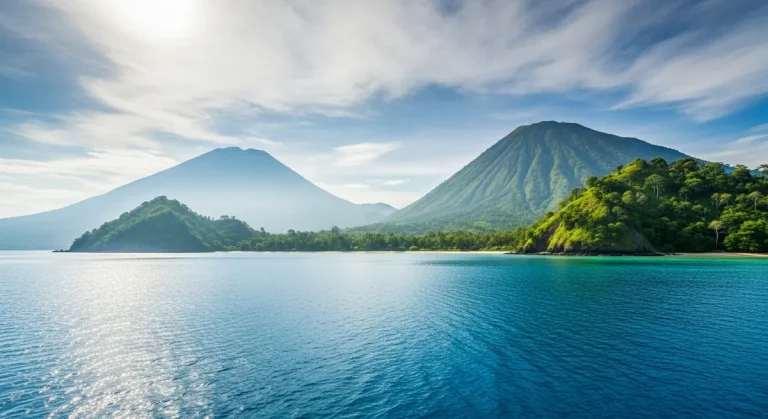
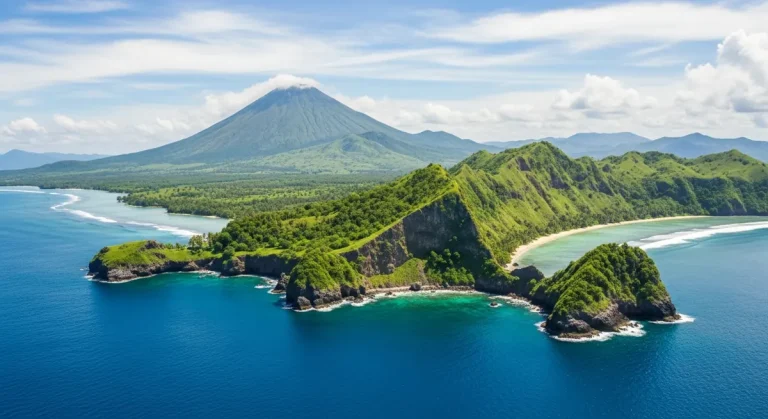
Where the Banda Sea is and why it is a top dive destination
- Location: East Indonesia, near Maluku Islands.
- Best Time to Dive: April to November.
- Marine Life: Over 3,000 species of fish, coral reefs, and unique underwater ecosystems.
Where is the Banda Sea Located?
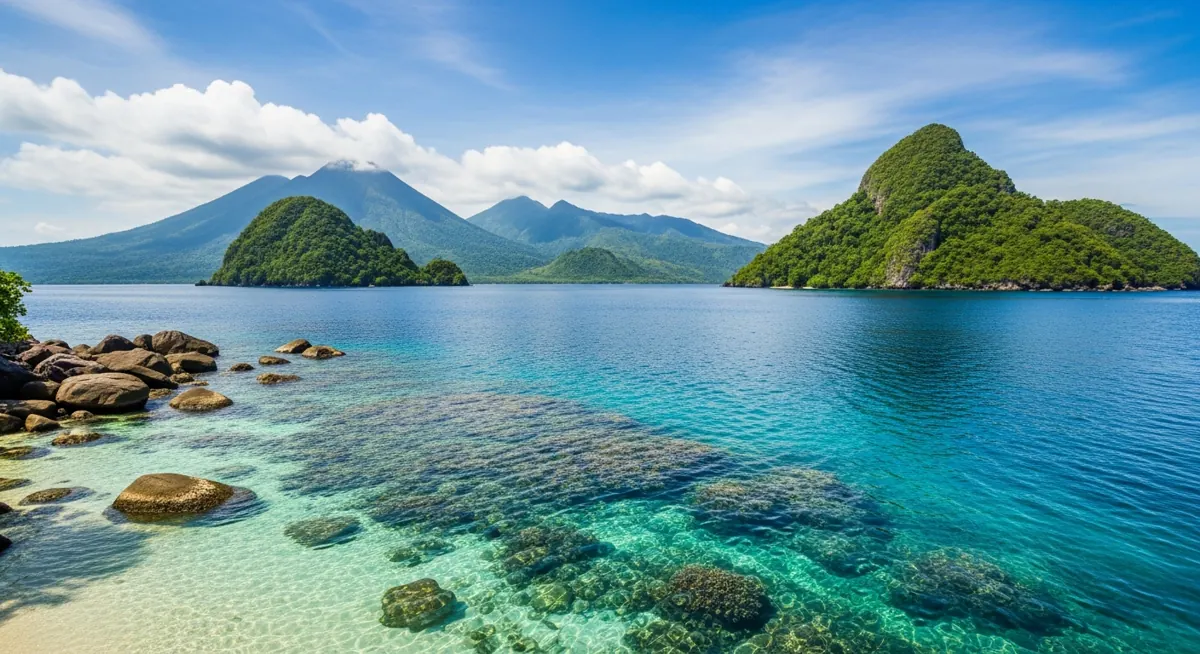
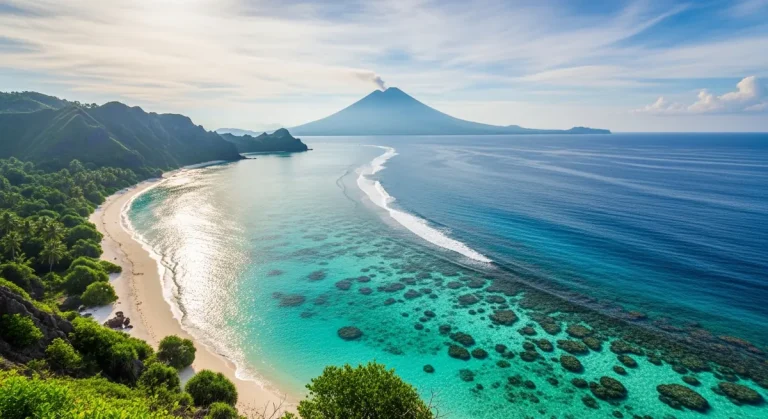
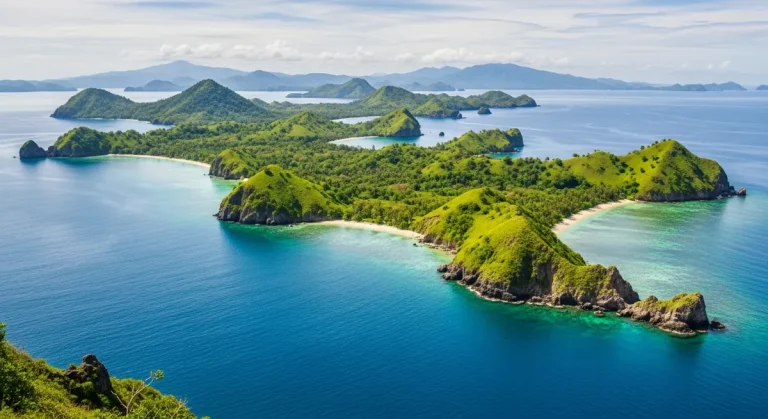
The Banda Sea is situated in eastern Indonesia, specifically in the Maluku province. It lies between the islands of Sulawesi to the north and Timor to the south, with the famous Banda Islands at its center. The sea connects various significant regions, including Raja Ampat to the west, Komodo to the southeast, and Alor and Ambon to the north and east. This geographical positioning makes the Banda Sea a vital passage for marine life and an exceptional location for divers.
Why is the Banda Sea a Top Dive Destination?
For diving enthusiasts, the Banda Sea offers an range of dive sites that are celebrated for their rich biodiversity and unique underwater landscapes. Here are several reasons why the Banda Sea stands out as a premier diving location:
1. Diverse Marine Life
The Banda Sea is home to an impressive variety of marine species, making it one of the most biodiverse regions on the planet. Divers can expect to encounter:
- Over 3,000 species of fish, including vibrant reef fish, pelagic species, and larger marine mammals.
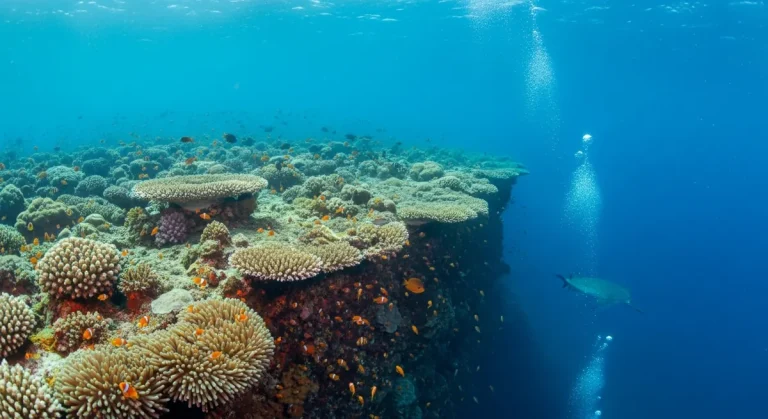
- Coral reefs that support an extensive range of coral species, providing habitats for countless marine organisms.
- Unique species such as the Mola Mola (sunfish) and various types of sea turtles.
2. Exceptional Coral Reefs
The coral reefs in the Banda Sea are not only extensive but also exceptionally healthy. The area’s reefs boast remarkable structures that provide ideal environments for diverse marine life. The reefs are vibrant and colorful, offering divers an singular visual experience. Some of the notable dive sites include:
- Pintu Kota: Known for its striking underwater topography and large schools of fish.
- Nusa Laut: Features a dramatic drop-off and vibrant coral gardens.
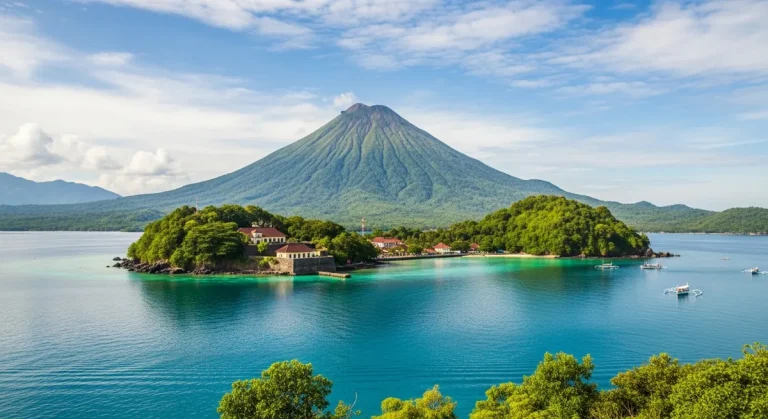
- Banda Neira: Offers unique dive sites with varied depths, suitable for divers of all levels.
3. Varied Dive Conditions
The Banda Sea provides a range of dive conditions catering to all experience levels, from beginners to advanced divers. Divers can enjoy:
- Shallow reefs ideal for novice divers and snorkelers.
- Deeper dive sites for experienced divers seeking thrilling encounters with larger marine life.
- Clear waters with excellent visibility, often exceeding 30 meters.
4. Year-Round Diving Opportunities
Diving in the Banda Sea is possible year-round, with peak seasons from April to November. During these months, water temperatures typically range from 25°C to 30°C (77°F to 86°F), providing comfortable conditions for diving. The area’s climate is tropical, enhancing the overall diving experience.
5. Liveaboard Experiences
One of the best ways to explore the Banda Sea is through liveaboard diving trips. Liveaboard vessels provide access to remote dive sites that are not easily reachable from land. Options range from budget-friendly to luxury accommodations, ensuring that every diver can find a suitable package. Key benefits of liveaboard diving include:
- Access to multiple dive sites in a single trip.
- Comfortable accommodations and amenities onboard.
- Experienced dive guides familiar with the local marine life and conditions.
Planning Your Dive Trip
When planning a dive trip to the Banda Sea, consider the following factors:
- Dive Packages: Various liveaboard packages are available, ranging from budget to luxury options. You can compare packages to find the right fit for your needs.
- Travel Requirements: Ensure you have the necessary travel documents and vaccinations. Check local regulations and guidelines for visiting Indonesia.
- Packing Essentials: Bring appropriate dive gear, including wetsuits, dive computers, and underwater cameras for capturing the incredible marine life.
Exploring the Marine Wonders of the Banda Sea
Dive into the Banda Sea’s striking underwater world, where vibrant coral reefs and diverse marine life create a sanctuary for both novice and experienced divers. With a range of liveaboard options, the region invites exploration, offering something for every budget. Begin your adventure in Indonesia’s sweeping Banda Sea and discover its captivating aquatic landscapes. For detailed planning, visit banda Sea Liveaboard Pricing & Cost Guide or explore Banda Sea Liveaboard.
Diving at Suanggi Island
Suanggi Island, located northwest of the Banda Islands, is a must-visit for those seeking thrilling dive experiences. Known for its exposed seamount, Suanggi offers divers encounters with large schools of fish such as barracudas and trevallies. The deep drop-offs surrounding the island are prime locations for spotting hammerhead sharks, especially during the narrow diving seasons from September to November and March to April. The nutrient-rich currents that flow around the island attract a variety of marine life, making it a hotspot for pelagic species. Additionally, divers can observe sea snakes gliding gracefully through the water, adding an extra layer of excitement to the underwater adventure at Suanggi.
Similar Posts
Essential safety tips for Banda Sea liveaboard diving
When diving in the Banda Sea, prioritize safety to ensure an enjoyable experience. Key tips include: – Always dive with a buddy for added safety. – Check equipment thoroughly before each dive. – Stay aware of local weather conditions and currents. Understanding Banda Sea Liveaboard Diving The Banda Sea is renowned for its pristine waters,…
Advanced diving techniques for Banda Sea deep walls and pinnacles
For advanced diving in the Banda Sea, divers can explore deep walls and pinnacles featuring vibrant coral reefs and diverse marine life. Key aspects include: Depths ranging from 30 to 60 meters. Strong currents requiring experience and skill. Unique marine biodiversity including pelagic species. Introduction to Advanced Diving in the Banda Sea The Banda Sea,…
Complete guide to Banda Sea liveaboard diving in Indonesia
The Banda Sea offers exceptional liveaboard diving experiences in Indonesia, featuring diverse marine life and vibrant coral reefs. Liveaboard trips cater to all budgets, with options for luxury and budget vessels. Trips run year-round, providing unique itineraries for diving enthusiasts. Overview of Banda Sea Liveaboard Diving The Banda Sea is a premier diving destination in…
How much a Banda Sea liveaboard costs: budget to luxury price guide
Understanding Banda Sea Liveaboard Pricing The Banda Sea, with its rich historical sites and vibrant marine life, offers an unparalleled diving experience. However, the cost of a liveaboard trip in this region can vary significantly. Prices typically range from $2,000 to over $7,000, depending on the duration, type of vessel, and level of luxury. Understanding…
Best time of year to dive Banda Sea for hammerhead sharks
The best time to dive in the Banda Sea for hammerhead sharks is between March and May, with a secondary peak in September and October. These months offer optimal conditions for sightings. – March to May: Highest hammerhead activity – September to October: Secondary peak for sightings – Water temperatures: 26-30°C (79-86°F) Understanding Hammerhead Shark…
Banda Sea vs Raja Ampat and Komodo: which Indonesia liveaboard to pick
Banda Sea: A Journey for the Adventurous Diver The Banda Sea offers a unique diving experience that appeals to those seeking adventure and a deeper connection with the open ocean. Known for its remote, deep-water sites and striking marine life, the Banda Sea is ideal for divers who thrive on encounters with big pelagics and…