Hammerhead shark migration in the Banda Sea explained
- Migration occurs mainly from November to March.
- Liveaboard diving options available for all budgets.
- Banda Sea is a prime location for marine biodiversity.
Understanding Hammerhead Shark Migration
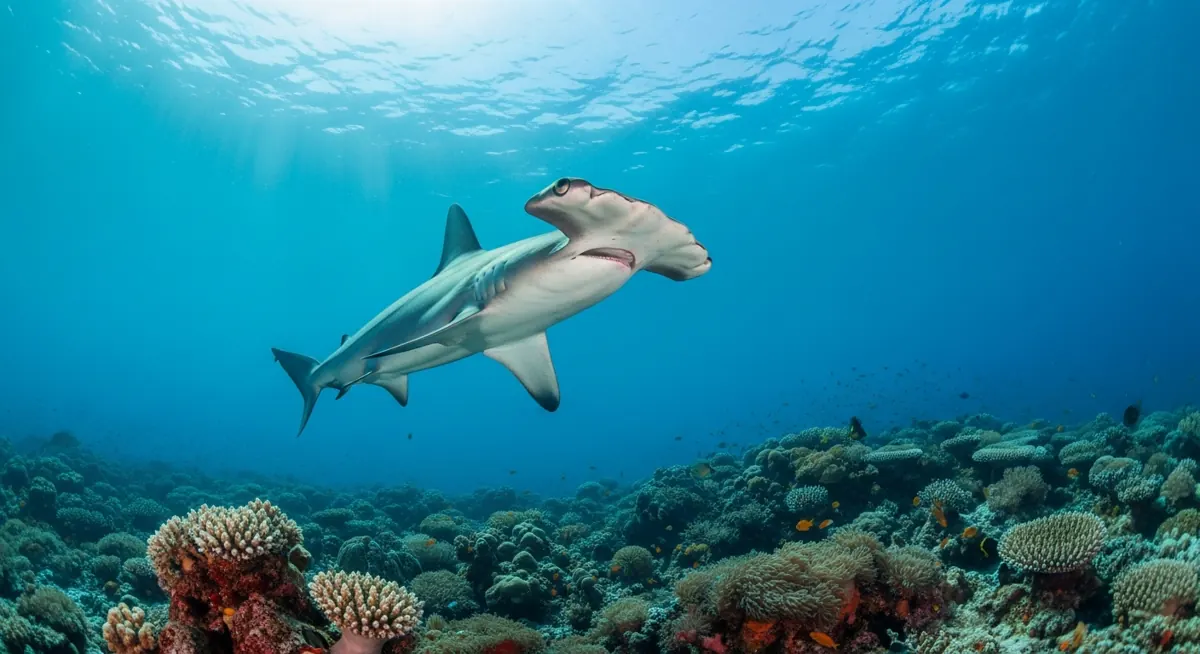
Hammerhead sharks are known for their distinctive head shape and remarkable hunting capabilities. The Banda Sea, located in Indonesia, is a crucial habitat for these sharks, particularly during their migration season. This blog post will explore the details of hammerhead shark migration, the factors influencing their movement, and how divers can experience this unique phenomenon in the Banda Sea.
The Migration Pattern
Hammerhead sharks typically migrate in search of warmer waters, abundant food sources, and suitable breeding grounds. In the Banda Sea, the migration season runs primarily from November to March. During this period, the water temperature and the presence of prey species, such as schools of sardines and other fish, attract these sharks.
There are several species of hammerhead sharks, including the Great Hammerhead (*Sphyrna mokarran*), Scalloped Hammerhead (*Sphyrna lewini*), and Smooth Hammerhead (*Sphyrna zygaena*). Each species may exhibit slightly different migration patterns, but they generally follow similar routes in the Banda Sea region.
Factors Influencing Migration
The migration of hammerhead sharks in the Banda Sea is influenced by various environmental factors:
- Water Temperature: Hammerhead sharks thrive in warmer waters, which often leads them to migrate towards equatorial regions during specific times of the year.
- Prey Availability: The presence of schools of fish, particularly during spawning seasons, plays a significant role in attracting hammerheads. Their migration is closely linked to the availability of food sources.
- Breeding Behavior: Hammerhead sharks are known to migrate to specific areas for mating. The Banda Sea provides suitable conditions for breeding, further influencing their migratory patterns.
Diving Opportunities in the Banda Sea
The Banda Sea is renowned for its rich marine biodiversity, making it a prime destination for divers seeking to encounter hammerhead sharks. Liveaboard trips in the Banda Sea offer an excellent opportunity to observe these striking creatures up close. Here are some key points regarding diving in the region:
- Liveaboard Options: Various liveaboard vessels operate in the Banda Sea, catering to different budgets and preferences. Options range from luxury yachts to budget-friendly boats, ensuring that everyone can experience this unique diving opportunity.
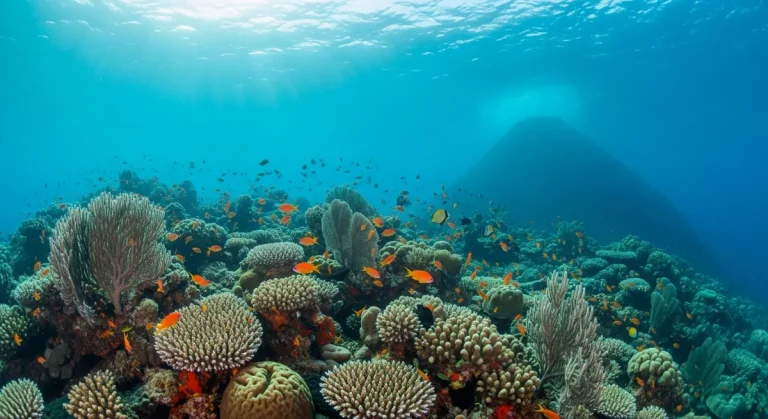
- Best Dive Sites: Some of the best dive sites for encountering hammerhead sharks include the islands of Nusa Laut, Banda Neira, and the surrounding reefs. These sites offer not only hammerhead sightings but also a diverse range of marine life, including manta rays, turtles, and colorful coral reefs.
- Seasonal Variations: Pricing for liveaboard trips varies based on seasonal demand. High season typically coincides with the migration period, which can lead to increased prices. Planning ahead is advisable to secure the best deals.
Legal and Conservation Considerations
While hammerhead sharks are a significant attraction for divers, it is essential to consider their conservation status. Many species of hammerhead sharks are classified as vulnerable or endangered due to overfishing and habitat loss. In Indonesia, regulations exist to protect these species, and responsible diving practices are encouraged to minimize human impact on their populations.
Diving operators in the Banda Sea are often committed to sustainable practices, working to promote marine conservation and educate divers about the importance of protecting these magnificent animals. Divers are encouraged to follow best practices, such as not touching or chasing the sharks and avoiding the use of harmful equipment that may disturb the marine ecosystem.
Preparing for Your Liveaboard Trip
For divers planning a liveaboard trip to experience hammerhead shark migration in the Banda Sea, preparation is essential. Here are some tips to ensure an enjoyable and safe diving experience:
- Research Your Operator: Select a reputable liveaboard operator that prioritizes safety and marine conservation. Check reviews and ensure they follow sustainable diving practices.
- Diving Certification: Ensure you have the appropriate diving certification for the depths and conditions you will encounter. Advanced open water certification is often recommended for liveaboard trips.
- Pack Accordingly: Bring essential diving gear, including a wetsuit suitable for warmer waters, masks, fins, and any personal equipment you may need. Don’t forget to include items for sun protection and personal comfort on board.
Maximize Your Diving Experience in the Banda Sea
Understanding the unique migration patterns of hammerhead sharks in the Banda Sea can significantly enhance your diving experience. These striking creatures often swim in large schools, especially between October and November, offering an singular spectacle for divers. To get the most out of this rare opportunity, consider exploring various Banda Sea Liveaboard options tailored to different skill levels and interests.
For those ready to plan their trip, visit our Banda Sea Liveaboard page for detailed itineraries and options. If you’re curious about what’s included in these trips, you can check what’s included to ensure a well-prepared adventure beneath the waves.