Diving Indonesia’s Ring of Fire in the Banda Sea
- Dive sites with visibility up to 40 meters.
- Year-round trips available, catering to all budgets.
- Specialized itineraries for diving enthusiasts.
Introduction to the Banda Sea
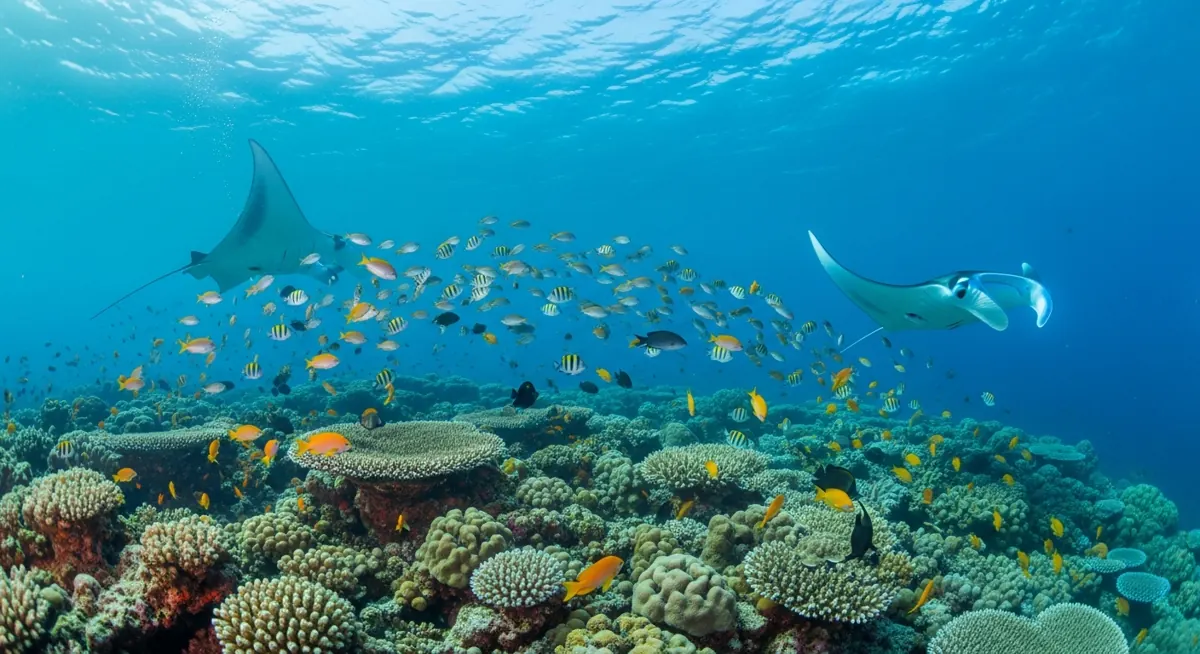
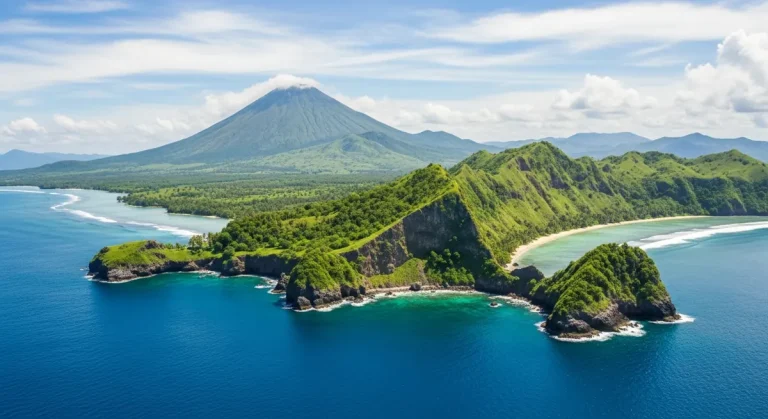
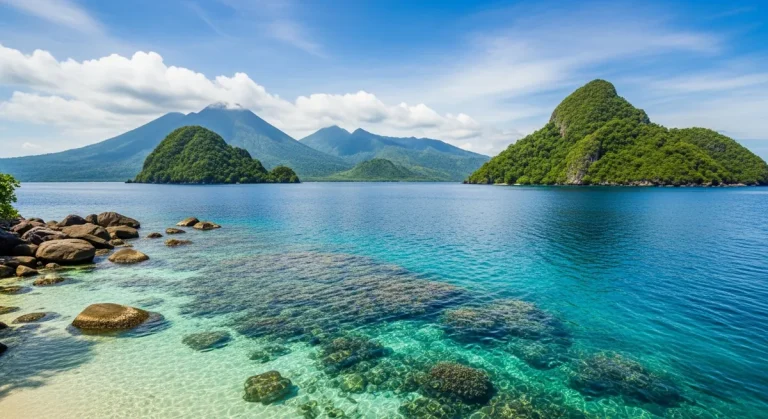
The Banda Sea, located at the centre of Indonesia, is part of the Pacific Ring of Fire, a region known for its volcanic activity and rich marine biodiversity. This area is home to some of the world’s most impressive dive sites, offering divers the opportunity to explore vibrant coral reefs, underwater volcanic formations, and a wealth of marine life.
As you plan your diving adventure, consider the various liveaboard options available, which provide access to the best spots in the Banda Sea. With options ranging from luxurious vessels to budget-friendly choices, you can find a trip that fits your needs and budget.
The Unique Geography of the Banda Sea
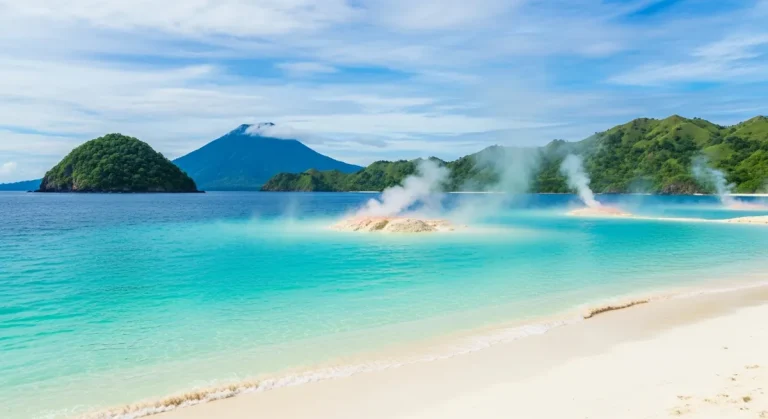
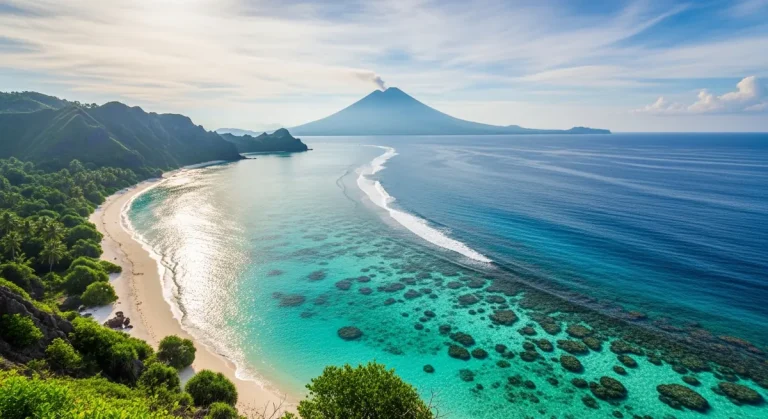
The Banda Sea is characterized by its unique geological features, including underwater volcanoes and deep trenches. This landscape supports a diverse range of marine ecosystems, making it a prime location for diving. Key geographical highlights include:
- Volcanic Islands: The Banda Islands are volcanic in nature, contributing to the rich nutrients found in the waters.
- Deep Trenches: The depth of the Banda Sea’s trenches creates unique habitats that are home to countless species.
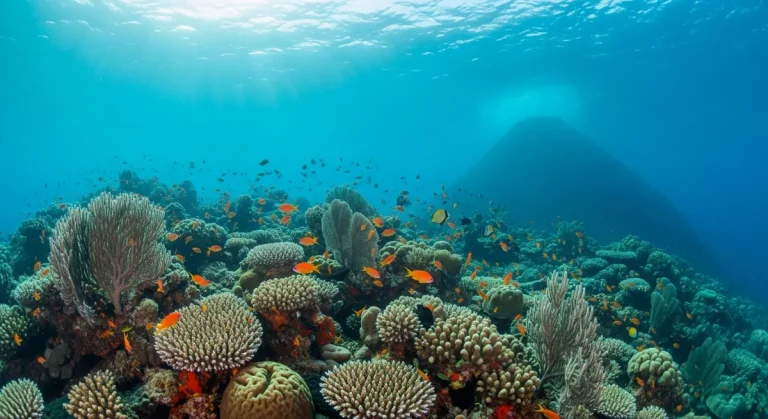
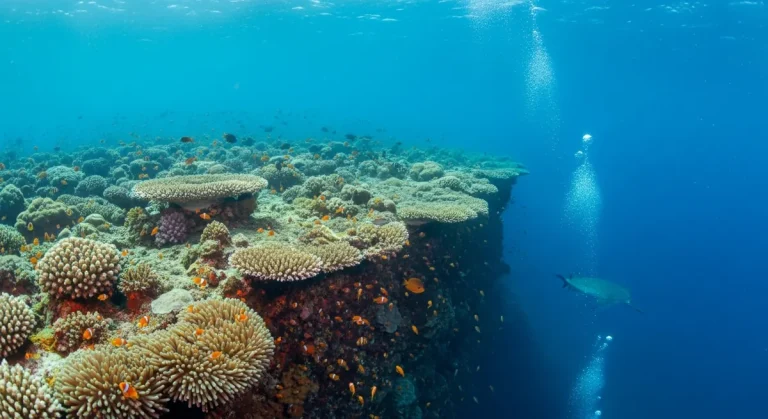
- Coral Reefs: Over 600 species of coral have been documented in the Banda Sea, supporting a vibrant marine ecosystem.
Diving Experience in the Banda Sea
The diving experience in the Banda Sea is unparalleled, offering a range of sites suitable for divers of all skill levels. Some of the notable dive sites include:
1. Pulau Hatta
This site is known for its incredible visibility and abundant marine life, including schools of fish, turtles, and even the occasional reef shark. The coral formations are vibrant, making it a favorite among underwater photographers.
2. Nusa Laut
Nusa Laut offers a mix of wall dives and drift dives, with opportunities to see everything from tiny macro life to larger pelagic species. The site is known for its diverse coral gardens and thriving marine ecosystems.
3. Banda Neira
Banda Neira is not only a historical site but also a fantastic dive location. The underwater scenery features striking coral reefs, and divers can often spot unique marine species, including the elusive pygmy seahorse.
Marine Life Diversity
The Banda Sea is a biodiversity hotspot, thanks to its unique ecological conditions. Divers can expect to encounter a wide variety of marine life, including:
- Fish Species: Over 3,000 species of fish inhabit these waters, ranging from the colorful clownfish to larger species like barracudas and reef sharks.
- Corals: The Banda Sea is home to a vast range of coral species, including soft and hard corals, contributing to the region’s ecological health.
- Other Marine Life: Divers may also encounter sea turtles, manta rays, and even the rare dugong.
Best Time to Dive in the Banda Sea
Diving in the Banda Sea is possible year-round, but certain seasons offer better conditions. The best time to visit typically spans from March to December, with peak conditions occurring between September and November.
- March – June: Generally calm seas and good visibility.
- July – August: Warm water temperatures but can experience more rain.
- September – November: Ideal conditions, with crystal-clear visibility and vibrant marine life.
Liveaboard Options
Liveaboard trips in the Banda Sea provide divers with the opportunity to explore multiple dive sites over several days. Various vessels cater to different budgets and preferences:
Luxury Liveaboards
Luxury liveaboards offer top-notch amenities, including private cabins, gourmet dining, and experienced dive guides. Prices for luxury trips typically range from $350 to $600 per night, depending on the season and specific offerings.
Mid-Range Options
Mid-range liveaboards provide comfortable accommodations and diving experiences at a more accessible price point, typically ranging from $200 to $350 per night.
Budget Liveaboards
For budget-conscious travelers, there are affordable liveaboard options available, often starting at around $150 per night. These trips still provide essential diving experiences, though amenities may be more basic.
Specialized Diving Itineraries
Many liveaboard operators offer specialized itineraries focusing on specific diving interests, such as macro photography, wreck diving, or exploring volcanic formations. These tailored trips cater to passionate divers who wish to enhance their experience in the Banda Sea.
Environmental Considerations
As a prime diving destination, the Banda Sea’s health is critical. Divers are encouraged to follow best practices to minimize their impact on the environment. This includes:
- Avoiding touching or stepping on coral.
- Using reef-safe sunscreen to protect marine ecosystems.
- Participating in local conservation efforts when possible.
Exploring Liveaboard Options for the Banda Sea
Diving enthusiasts eager to explore Indonesia’s Ring of Fire will find a variety of liveaboard options tailored to different preferences and budgets. These itineraries offer a chance to experience the unmatched marine biodiversity of the Banda Sea up close. If you’re a seasoned diver or just starting, there’s a perfect fit for your adventure needs.
For detailed guidance on pricing and liveaboard choices, explore our banda Sea Liveaboard Pricing & Cost Guide guide. Dive deeper into planning specifics with the full pricing guide or explore the Banda Sea Liveaboard options.