Is diving in the Banda Sea safe for recreational divers
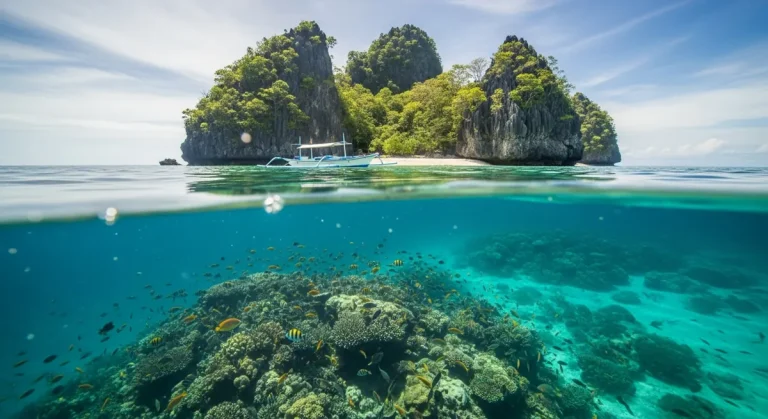
- Most dive sites have good visibility and warm water.
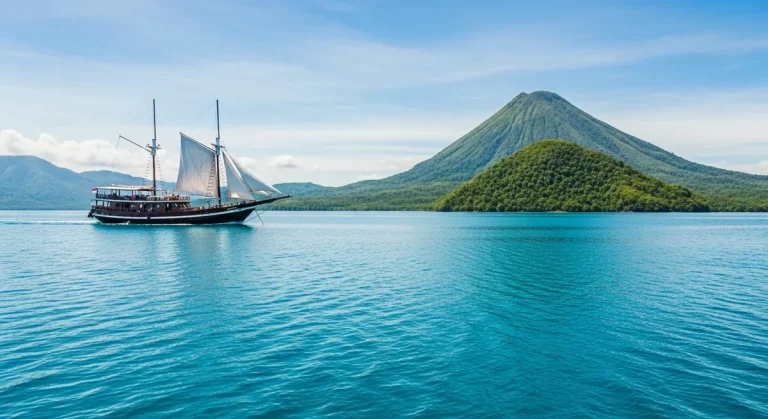
- Reputable liveaboard operators prioritize diver safety and provide necessary equipment.
- Marine life can be diverse but requires respect and caution.
Understanding the Banda Sea Diving Environment
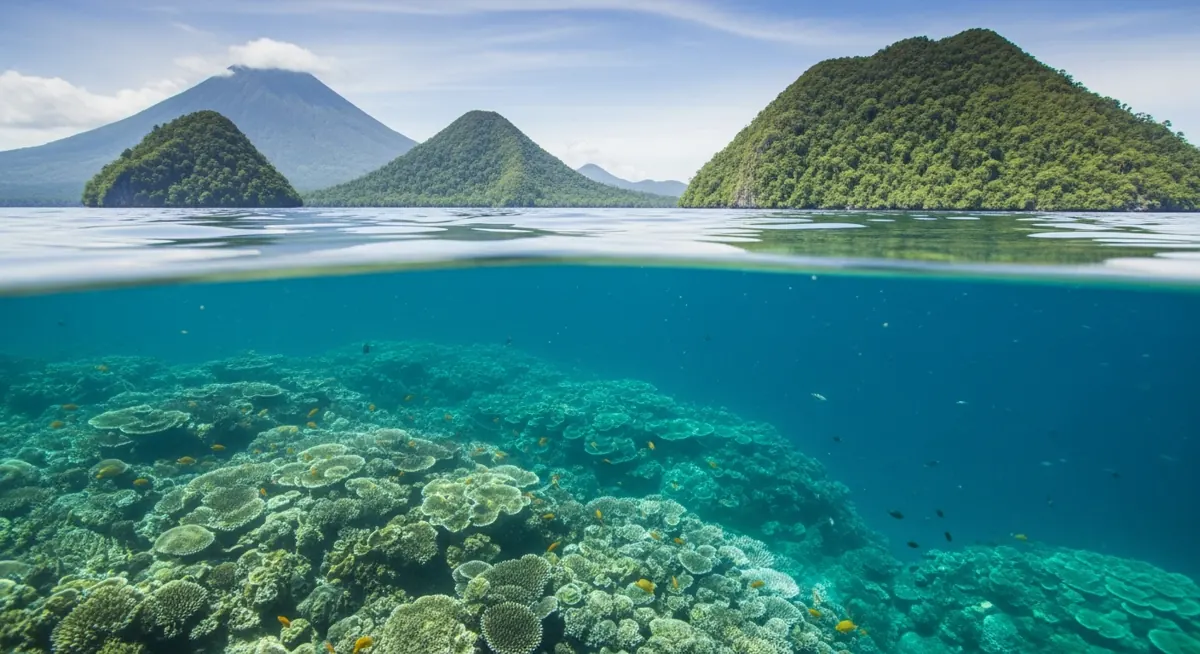
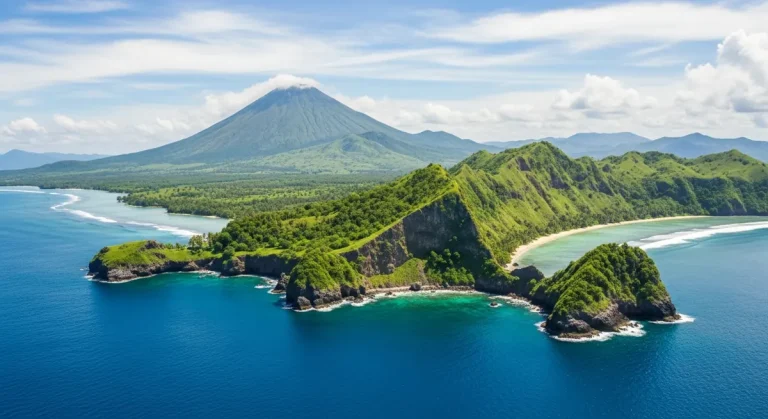
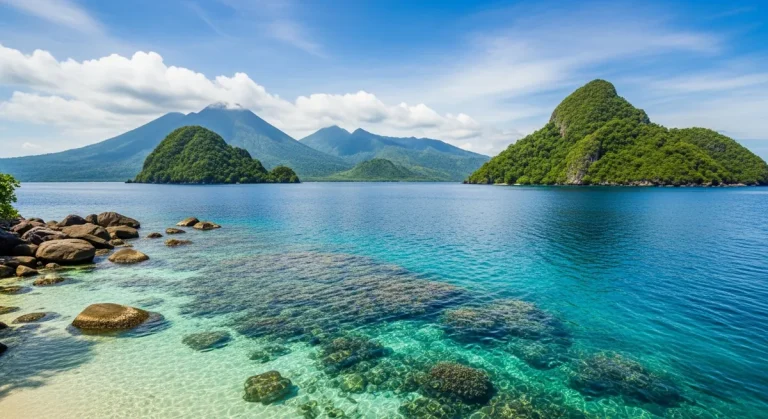
The Banda Sea, located at the centre of Indonesia, is part of the Coral Triangle, known for its rich biodiversity. It encompasses several islands and is home to a variety of marine life, including coral reefs, schools of fish, and larger species like sharks and manta rays. Divers are drawn to this area for its clear waters and abundant marine ecosystems.
However, the safety of diving in the Banda Sea depends on multiple factors, including the diver’s experience level, the dive operator’s protocols, and environmental conditions.
Factors Influencing Safety in the Banda Sea
1. Dive Operators and Training
Selecting a reputable dive operator is essential for safety. Many liveaboard companies in the Banda Sea prioritize diver safety by providing:
- Professional dive instructors with extensive experience in the region.
- Regular safety drills and briefings before each dive.
- Quality equipment that is well-maintained and regularly inspected.
Many operators also adhere to international safety standards, ensuring that divers can rely on their guidance and expertise during dives.
2. Environmental Conditions
The Banda Sea has varying conditions that can impact dive safety. Factors to consider include:
- Water Temperature: Generally ranges from 26°C to 30°C (79°F to 86°F), making it comfortable for divers.
- Visibility: Typically between 15 to 30 meters (49 to 98 feet), although this can vary with weather conditions.
- Currents: Some dive sites experience strong currents, which can be challenging for less experienced divers. Operators often provide guidance on suitable sites based on current conditions.
Being aware of these conditions and discussing them with your dive operator can help ensure a safer diving experience.
3. Marine Life Interactions
The Banda Sea is rich in marine biodiversity, including both harmless and potentially dangerous species. While encounters with large pelagic species like manta rays and sharks can be thrilling, divers should remain cautious. Best practices include:
- Maintaining a respectful distance from marine life.
- Not touching or provoking animals, particularly those that may be venomous.
- Following the guidance of dive instructors regarding interactions with marine life.
Understanding marine life behavior and respecting their habitat is crucial for ensuring both diver and marine safety.
Legal and Insurance Considerations
Before diving in the Banda Sea, it’s important to be aware of the legal landscape surrounding diving activities. Indonesia has regulations in place to protect its marine environments, and divers should adhere to local laws, especially concerning marine parks and protected areas.
Investing in dive insurance is highly recommended. This insurance can cover medical emergencies, evacuation, and other unforeseen incidents, providing peace of mind while diving in remote locations.
Best Practices for Safe Diving
To ensure a safe diving experience in the Banda Sea, consider the following best practices:
- Choose the Right Dive Level: Select dive sites that match your experience level. Many operators offer various levels of difficulty, making it easier for divers to find suitable locations.
- Stay Hydrated and Rested: Ensure you are well-rested and hydrated before diving to maintain energy levels and focus.
- Communicate: Always communicate with your dive buddy and instructor. Discuss your comfort levels and any concerns before entering the water.
Following these practices can significantly reduce risks associated with diving in the Banda Sea.
Seasonal Considerations for Diving
Diving is available year-round in the Banda Sea, but conditions may vary based on the season. The best time for diving generally falls between October and April, when visibility tends to be at its peak, and marine life is abundant.
During the off-peak season, which occurs from May to September, conditions may still be suitable for diving, though visibility and marine activity can fluctuate. It’s advisable to consult with dive operators about the best times to visit based on your diving goals.
Is Banda Sea Diving Safe?
diving in the Banda Sea is considered safe for recreational divers when proper precautions are taken. Selecting a reputable dive operator, understanding environmental conditions, and following safety protocols are essential for a successful diving experience.
By adhering to best practices and remaining informed about the diving environment, divers can explore the rich underwater ecosystems of the Banda Sea with confidence. For more insights on diving opportunities and liveaboard options, visit our detailed page on Banda Sea liveaboard trips.
If you are a novice or an experienced diver, the Banda Sea offers unique experiences that can enrich your diving portfolio while ensuring safety remains a top priority.
Planning specifics? See Banda Sea Liveaboard or Banda Sea Liveaboard.