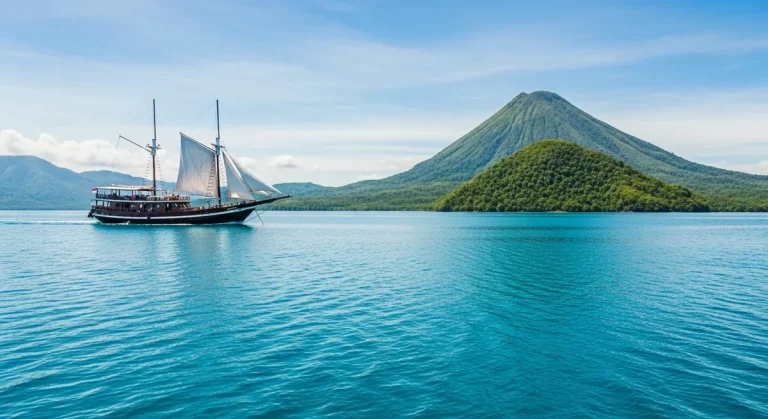
Typical Banda Sea weather and sea conditions for divers
- Average water temperature ranges from 27°C to 30°C.
- The best time for diving is from April to December.
- Winds can impact visibility, particularly from December to March.
Understanding Banda Sea Weather Conditions for Divers
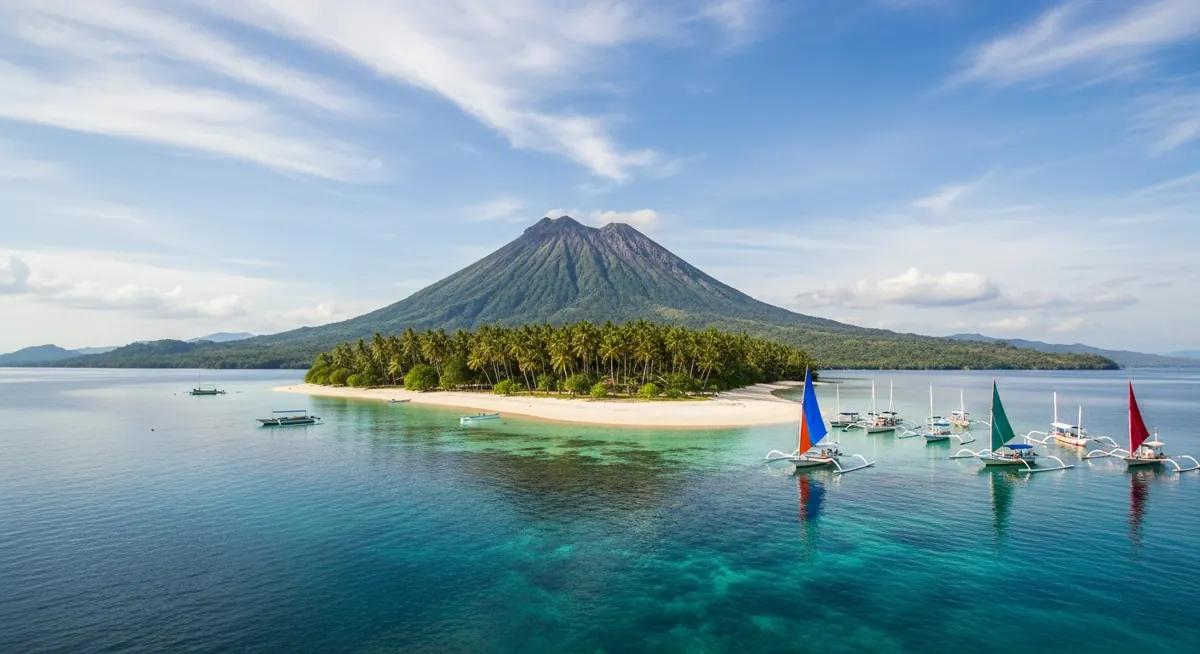
When planning a diving adventure in the Banda Sea, understanding the region’s weather and sea conditions is crucial. The Banda Sea, located in Indonesia, is renowned for its rich marine biodiversity, vibrant coral reefs, and exceptional diving opportunities. With a variety of liveaboard options available, from luxury to budget-friendly, divers can experience everything this region has to offer. Here, we will explore the typical weather patterns, sea conditions, and best times to dive in the Banda Sea.
Climate Overview
The Banda Sea has a tropical maritime climate characterized by relatively stable temperatures throughout the year. Here are some key points about the climate:
- Temperature: Average air temperatures range from 25°C to 32°C, while water temperatures typically hover between 27°C and 30°C.
- Humidity: The humidity is generally high, making conditions feel warmer, particularly in the wet season.
- Rainfall: The region experiences two primary seasons: a wet season from December to March and a dry season from April to November.
Rainy Season: December to March
The rainy season in the Banda Sea can impact diving conditions. This period is marked by increased rainfall and stronger winds, which can affect visibility and sea conditions. However, many divers still choose to dive during this time, as the marine life is abundant.
- Visibility: Visibility can drop to 10-20 meters due to plankton blooms and rain runoff.
- Winds: Winds from the southeast can create choppy waters, making some dive sites less accessible.
- Marine Life: This season often brings larger pelagics, including schools of barracuda and reef sharks.
Dry Season: April to November
April to November is considered the best time for diving in the Banda Sea. During this dry season, divers can expect favorable conditions:
- Visibility: Visibility typically improves to 20-40 meters, allowing divers to fully appreciate the vibrant coral reefs and diverse marine life.
- Calm Seas: Sea conditions are generally calmer, making it easier to access a variety of dive sites.
- Marine Life: The dry season is ideal for spotting unique species, such as Mandarinfish, and larger pelagics like mantas and whale sharks.
Sea Conditions
Understanding sea conditions is vital for safe and enjoyable diving experiences. The Banda Sea can exhibit various sea states depending on the time of year and prevailing weather patterns:
- Currents: The Banda Sea is known for its strong currents, especially around islands and reefs. Divers should be prepared and experienced in drift diving.
- Waves: During the rainy season, waves can be more significant, which may affect dive plans and accessibility to certain dive sites.
- Temperature Variations: Water temperatures can vary slightly between dive sites, so it’s advisable to check specific conditions before diving.
Best Dive Sites and Conditions
The Banda Sea is home to numerous dive sites, each offering unique experiences and varying conditions. Some notable dive spots include:
- Gunung Api: Known for its volcanic underwater landscape and diverse marine life, this site is accessible year-round but offers the best conditions from April to November.
- Hatta Island: A popular site for macro photography, Hatta Island can experience stronger currents, making it best suited for experienced divers.
- Manuk Island: Famous for its vibrant coral reefs and rich biodiversity, conditions here are optimal during the dry season.
Planning Your Liveaboard Trip
When planning a liveaboard trip in the Banda Sea, consider the following factors to maximize your diving experience:
- Timing: Choose to travel during the dry season for the best visibility and calm sea conditions. April to November is recommended.
- Liveaboard Options: Research various liveaboard vessels, as they vary in luxury, amenities, and pricing. Options exist for both budget and luxury travelers.
- Itineraries: Look for itineraries that match your diving interests, if you are targeting macro photography, large pelagics, or coral reef diving.
Optimal Diving Months in the Banda Sea
Exploring the Banda Sea between April and November offers divers the best conditions, with calm waters and excellent visibility. This period provides a prime opportunity to witness the vibrant marine life in its full glory. Adventurous divers who venture during the wet season may still experience unique underwater encounters, despite the increased rainfall.
For more information on liveaboard options, pricing, and itineraries, visit banda Sea Liveaboard Pricing & Cost Guide.
Planning specifics? See see current rates or our book Banda Sea Liveaboard | Bandasealiveaboard guide.