Best time of year to dive Banda Sea for hammerhead sharks
– March to May: Highest hammerhead activity
– September to October: Secondary peak for sightings
– Water temperatures: 26-30°C (79-86°F)
Understanding Hammerhead Shark Migration in the Banda Sea
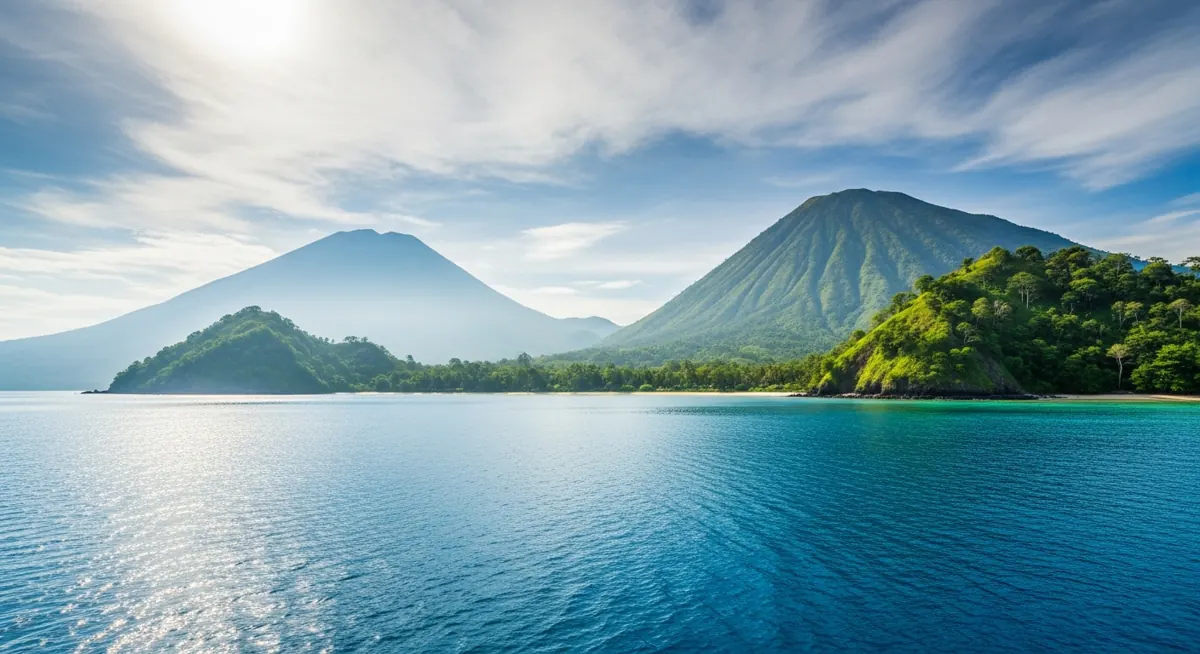
The Banda Sea is a remarkable destination for divers seeking the thrill of encountering hammerhead sharks. These iconic species are known for their unique head shape and schooling behavior. Understanding their migration patterns is key to maximizing your chances of seeing them during your dive trips.
Peak Diving Seasons for Hammerhead Sightings
The best time to dive the Banda Sea for hammerhead sharks typically occurs during two main seasons:
- March to May: This period marks the peak of hammerhead shark activity, coinciding with warmer water temperatures and increased visibility.
- September to October: Following the warm months, these months also provide opportunities to encounter hammerheads as they return to breeding grounds.
March to May: The Prime Months
During the months of March, April, and May, the combination of warmer water temperatures and nutrient-rich upwellings creates an ideal environment for hammerhead sharks. Water temperatures range from 26°C to 30°C (79°F to 86°F) during this time, making it comfortable for divers.
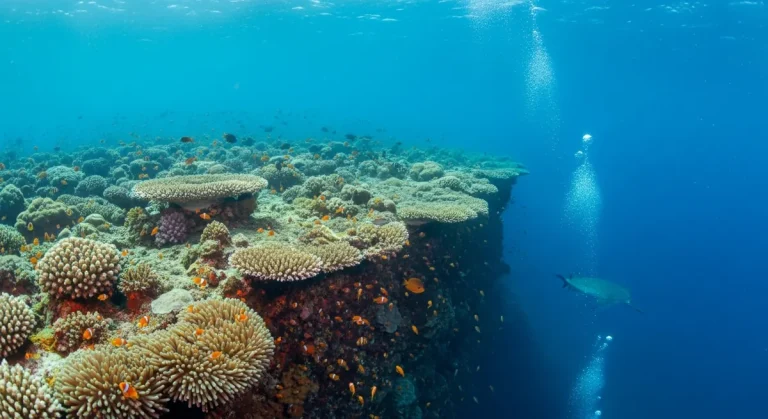
In addition to the hammerheads, divers can expect to see a variety of marine life, including manta rays, turtles, and vibrant coral reefs. Visibility can reach up to 30 meters, enhancing the overall diving experience.
September to October: A Secondary Peak
The months of September and October also offer excellent opportunities to see hammerhead sharks. As the water cools slightly and the currents shift, schools of hammerheads can often be spotted around key dive sites, particularly in high-current areas where they gather for feeding.
This secondary peak is less crowded than the primary months, providing an opportunity for divers seeking a more intimate experience with these fascinating creatures.
Key Dive Sites for Hammerhead Shark Encounters
Several dive sites within the Banda Sea are renowned for hammerhead shark sightings. Here are some of the most notable:
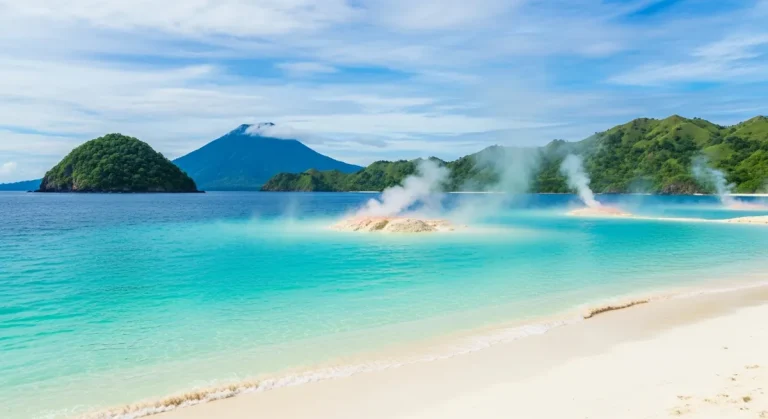
- Gunung Api: Known for its underwater volcanic formations, this site attracts large schools of hammerheads, especially during the peak seasons.
- Misool Island: Offers excellent visibility and a diverse marine ecosystem, making it a popular spot for both hammerhead and manta ray sightings.
- North Banda: The currents here often bring in nutrient-rich waters, attracting schools of pelagic fish and, consequently, hammerheads.
Preparing for Your Dive Trip
When planning your dive trip to the Banda Sea, consider the following factors to enhance your experience:
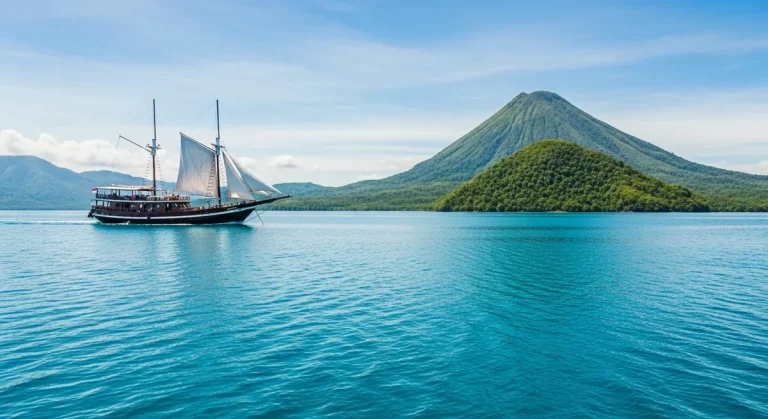
- Travel Arrangements: Liveaboard options are available year-round, with various vessels catering to different budgets. Check the our banda Sea Liveaboard Pricing & Cost Guide guide for detailed insights on available options.
- Gear Requirements: Ensure you have appropriate diving gear for varying water temperatures. A wetsuit of at least 3mm is recommended during peak months.
- Health and Safety: Be aware of dive safety protocols and ensure you are physically fit for diving. Always dive with a reputable operator.
Understanding Pricing and Seasonal Demand
Pricing for liveaboard trips in the Banda Sea varies based on the season and demand. During peak months (March to May and September to October), prices tend to be higher due to increased demand.
Budget options are available, starting from around $1,200 for a week-long trip, while luxury liveaboards can cost upwards of $3,000. It’s advisable to book in advance, especially during peak seasons, to secure your spot and potentially access early-bird discounts.
Legal Considerations and Conservation
Diving in the Banda Sea is subject to local regulations aimed at protecting marine life and habitats. It’s crucial to dive responsibly, adhere to guidelines set by your dive operator, and respect the natural environment.
Hammerhead sharks are listed under the International Union for Conservation of Nature (IUCN) as vulnerable due to overfishing and habitat loss. Participating in eco-friendly diving practices not only enhances your experience but also contributes to the conservation of these magnificent creatures.
Final Thoughts: The Adventure Awaits
The Banda Sea offers some of the most exhilarating diving experiences in the world, particularly for those hoping to encounter hammerhead sharks. By planning your trip between March and May or September and October, you can maximize your chances of seeing these incredible animals.
With a range of liveaboard options available and diverse marine life to explore, your diving adventure in the Banda Sea promises to be singular. Prepare for an experience that combines adventure, beauty, and the thrill of underwater exploration.
Planning specifics? See check what’s included or Banda Sea Liveaboard.