Banda Sea liveaboard season and when to go
– Best Season: October to April for warm water and rich marine biodiversity.
– Peak Travel Months: December and January, attracting more divers.
– Budget Consideration: Prices are lower during the off-peak season (May to September).
Understanding the Banda Sea Liveaboard Season
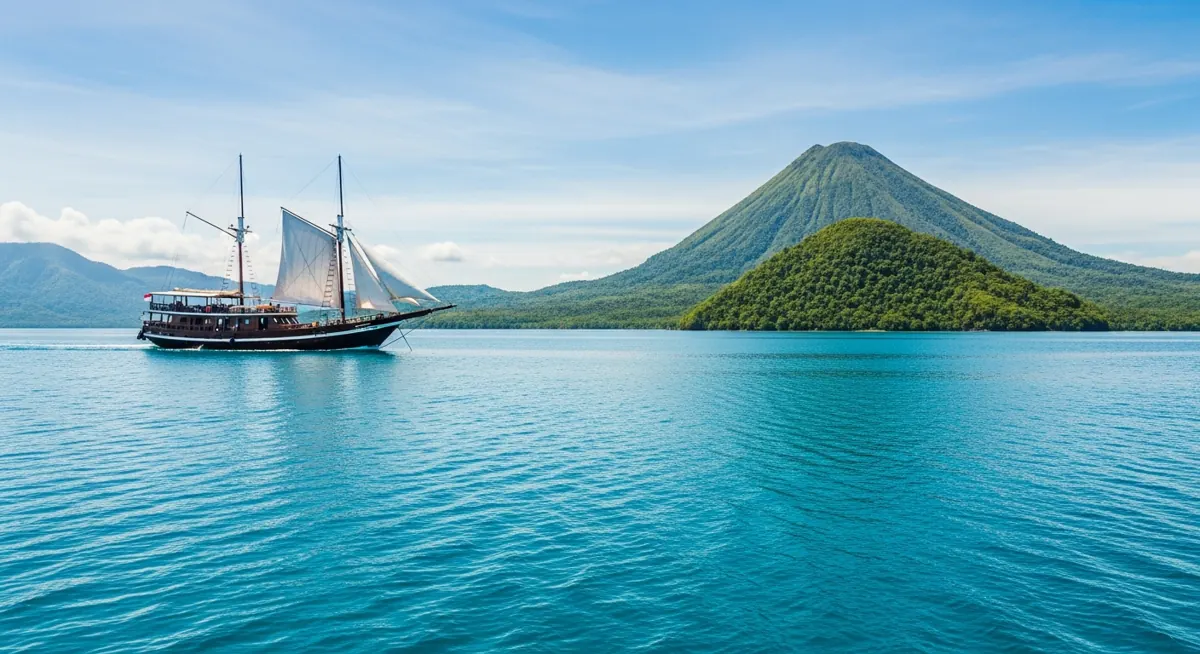
The Banda Sea, part of Indonesia’s Coral Triangle, offers some of the richest marine biodiversity in the world. This region is home to numerous liveaboard operators offering diving trips that cater to both budget and luxury travelers. The liveaboard season largely influences the experience you can expect, including water temperatures, visibility, and marine life encounters.
Optimal Times to Dive
Peak Season: October to April
This is widely recognized as the best time to explore the Banda Sea. During these months, water temperatures range from 27°C to 30°C (81°F to 86°F), providing comfortable diving conditions. Visibility is at its best, often exceeding 30 meters (100 feet), allowing divers to fully appreciate the vibrant coral reefs and diverse marine life.
High Demand Months: December and January
December and January are considered peak travel months. Many divers flock to the Banda Sea during this time, drawn by the warm waters and excellent visibility. Due to high demand, prices for liveaboard trips may be higher, and booking in advance is recommended.
Off-Peak Season: May to September
The off-peak season typically runs from May to September. While water temperatures remain pleasant, visibility can be variable, and the chances of encountering rough weather increase. However, this is a great time for budget-conscious travelers, as prices are generally lower, and there are fewer divers in the water.
Understanding Marine Life Patterns
The Banda Sea offers a rich mosaic of marine life, including pelagics, reef fish, and a variety of corals. The seasonal changes can influence what you might encounter during your dive:
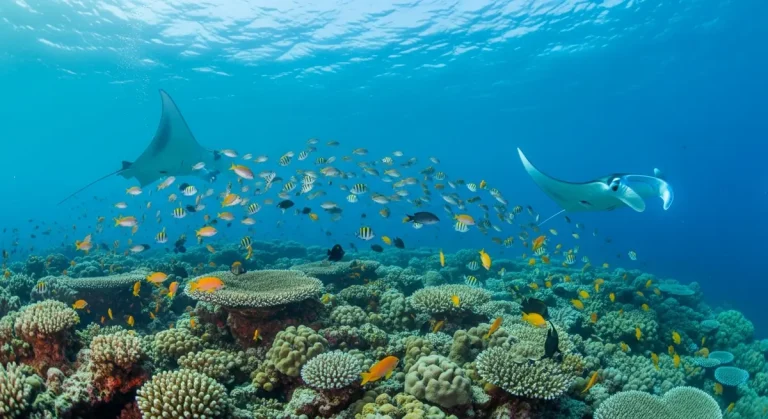
- October to December: Expect to see large schools of fish, manta rays, and possibly even whale sharks as they migrate through the region.
- January to March: This period is known for vibrant reef activity, ideal for macro photography enthusiasts looking to capture critters like nudibranchs and pygmy seahorses.
- April to May: As the season transitions, divers might notice an increase in larger pelagic species, making it an exciting time for thrill-seeking divers.
Liveaboard Options
The Banda Sea liveaboard fleet includes a variety of vessels ranging from budget-friendly options to luxury yachts. Here’s a breakdown:
Luxury Liveaboards
For those seeking comfort and premium service, luxury liveaboards offer spacious cabins, gourmet meals, and personalized diving experiences. Prices for these vessels usually range from $350 to $600 per night, depending on the season and availability.
Mid-Range Liveaboards
Mid-range options provide a balance between comfort and affordability, with prices typically between $200 and $350 per night. These boats often include shared cabins and communal dining, making them a great choice for divers looking to meet fellow adventurers.
Budget Liveaboards
Budget-friendly liveaboards are available for divers who want to explore the Banda Sea without breaking the bank. Prices can start as low as $150 per night. These vessels often offer basic amenities and shared accommodations, appealing to younger or more adventurous travelers.
Booking Your Liveaboard Trip
To secure your spot on a Banda Sea liveaboard, consider the following steps:
- Plan Ahead: During peak season, particularly in December and January, it’s advisable to book at least 3-6 months in advance to ensure availability.
- Research Operators: Look for reputable liveaboard operators with positive reviews. Trustworthy companies will provide detailed itineraries and transparent pricing.
- Check Inclusions: Ensure you understand what’s included in the price. Common inclusions are meals, diving equipment, and guided dives, but check if extras like nitrox or alcoholic beverages are additional costs.
Travel Considerations
Traveling to the Banda Sea involves navigating through Indonesia, and it’s essential to plan accordingly:
Access Points
The most common access point to the Banda Sea is Ambon, which is well-connected by domestic flights from Jakarta or Bali. From Ambon, most liveaboards provide direct transfers to the vessels.
Visa Requirements
Check visa requirements before traveling. Many nationalities can obtain a visa on arrival, but it’s wise to verify current regulations. Ensure your passport has at least six months’ validity beyond your entry date.
Health and Safety
Travelers should be aware of health precautions, including vaccinations and necessary medications. Consider travel insurance that covers diving activities, as this can provide peace of mind during your adventures.
Choosing the Best Time for Your Banda Sea Liveaboard Adventure
The Banda Sea offers distinct diving experiences tied to the season. Peak months, such as October and November, promise encounters with hammerhead sharks and calm seas, while the transitional months might offer fewer crowds and different marine life activity. For divers seeking value, the shoulder season provides a balance of good conditions and lower costs.
For detailed information on liveaboard options, itineraries, and up-to-date pricing, visit the Banda Sea Liveaboard Pricing & Cost Guide. If you’re organizing your trip, make sure to check out what’s included in various packages to tailor the perfect adventure. The Banda Sea has a myriad of experiences waiting beneath its waves.