Rebreather diving considerations in the Banda Sea
Introduction to Rebreather Diving in the Banda Sea
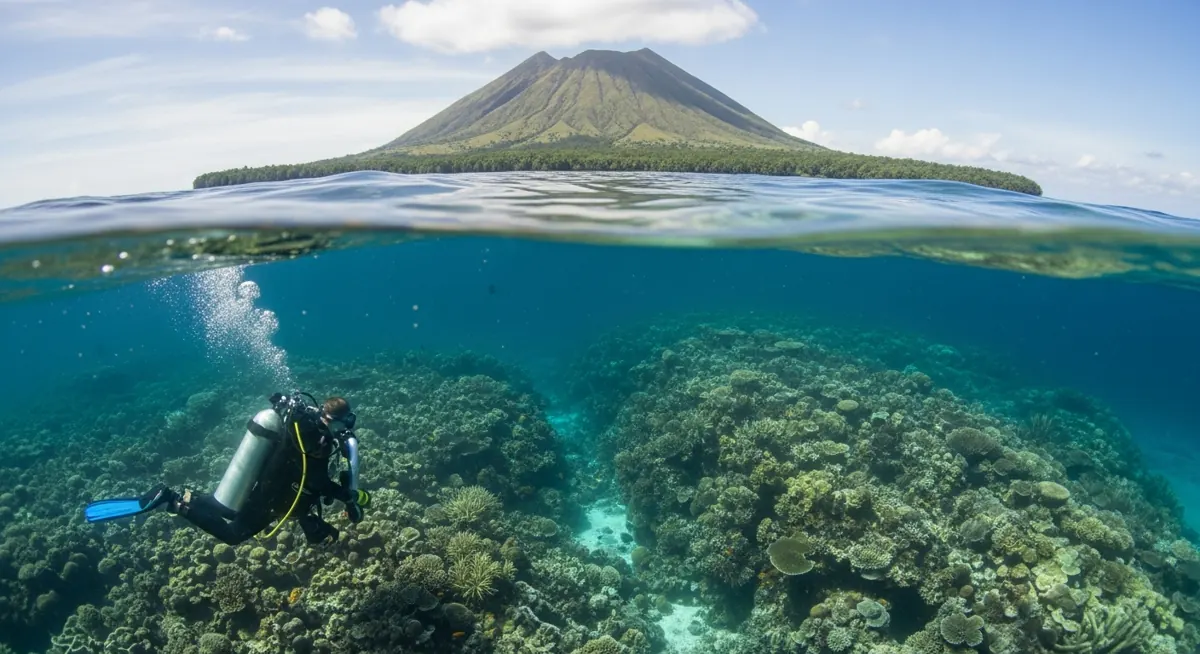
Rebreather diving is an evolving practice that allows divers to explore underwater environments more efficiently and sustainably. The Banda Sea, renowned for its rich biodiversity and exceptional underwater landscapes, is an ideal location for rebreather divers. This blog post will discuss critical considerations for rebreather diving in the Banda Sea, including technical aspects, dive planning, and environmental factors.
Understanding Rebreather Technology
Rebreathers are closed-circuit breathing devices that recycle exhaled gas, removing carbon dioxide and replenishing oxygen. This technology offers several benefits over traditional open-circuit systems:
- Extended Dive Times: Rebreathers allow divers to stay underwater longer by efficiently utilizing gas.
- Reduced Gas Consumption: By recycling gas, divers use less overall, which is particularly advantageous in areas with limited resources.
- Minimal Bubbles: The lack of exhaled bubbles can enhance interactions with marine life, allowing for closer encounters with diverse species.
Essential Equipment Considerations
When preparing for a rebreather dive in the Banda Sea, divers must ensure their equipment is suitable and well-maintained. Here are some key equipment considerations:
Type of Rebreather
Choose a rebreather that is suitable for the specific dive conditions in the Banda Sea. Some models are designed for depth, while others may be better for longer durations. Ensure the chosen model has a reliable support network for repairs and maintenance.
Gas Mixtures
Selecting appropriate gas mixtures is crucial for safe rebreather diving. Common mixtures include:
- Air Diluent: Suitable for shallow dives.
- Trimix: A mixture of oxygen, nitrogen, and helium, ideal for deeper dives.
- Heliox: A mixture of helium and oxygen, minimizing nitrogen narcosis.
Work with a dive shop or instructor to determine the best gas mixtures based on dive plans and personal experience levels.
Spare Parts and Backup Systems
Always carry spare parts and backup systems, including a secondary breathing apparatus. Equipment failure underwater can be life-threatening; redundancy is essential for safety.
Dive Planning in the Banda Sea
Effective dive planning is vital for a safe and enjoyable rebreather diving experience. Consider the following aspects:
Site Selection
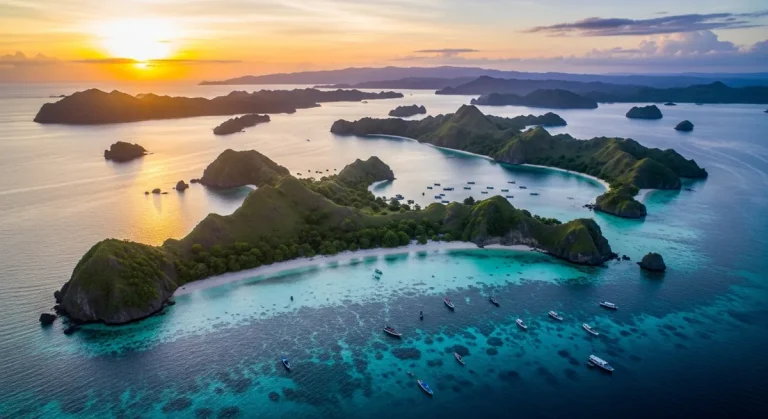
The Banda Sea offers diverse dive sites, each with unique characteristics. Popular areas include:
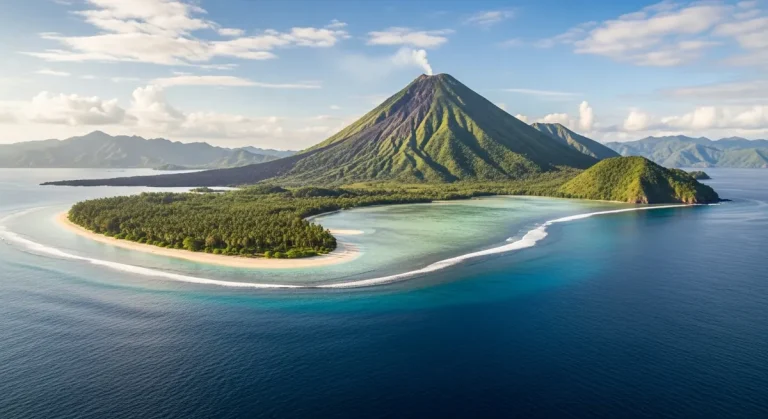
- Gunung Api: Known for its underwater volcanic formations.
- Hatta Island: A habitat for various marine species, including large pelagics.
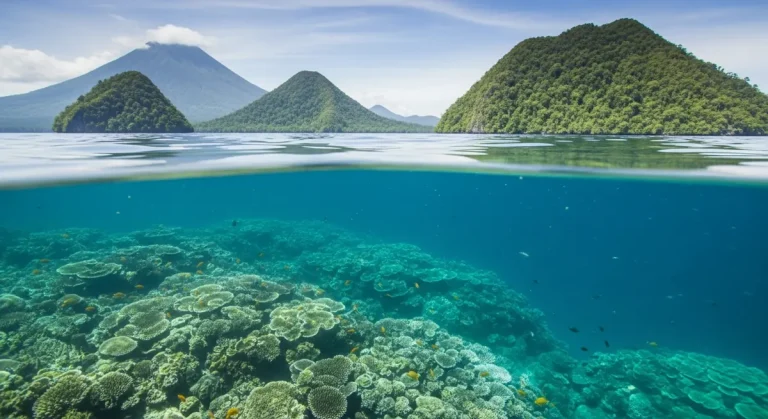
- Manuk Island: Home to vibrant coral reefs and diverse marine life.
Research each site in advance to understand depth, currents, and marine life. Consult local dive operators for site recommendations based on the current conditions.
Environmental Considerations
The Banda Sea is home to unique ecosystems and delicate marine life. When diving, be mindful of the following environmental considerations:
- Coral Protection: Avoid touching corals or marine life to prevent damage.
- Marine Life Interactions: Maintain a respectful distance to avoid stressing marine animals.
- Waste Management: Properly dispose of waste to keep dive sites pristine.
Legal and Safety Regulations
Before you begin rebreather dives in the Banda Sea, it’s crucial to be aware of legal and safety regulations. As of October 2023, rebreather diving is legal in Indonesia, but divers must ensure they adhere to local regulations and standards. Always dive with a certified operator familiar with the area’s regulations.
Training and Experience Requirements
Rebreather diving requires specialized training and experience. Ensure you have the following:
- Certification: Obtain certification from recognized agencies like PADI or TDI.
- Dive Experience: Accumulate sufficient open-water dive experience before attempting rebreather dives.
- Continued Education: Regularly participate in training sessions to stay updated on best practices and safety protocols.
Best Times for Rebreather Diving in the Banda Sea
The Banda Sea offers year-round diving opportunities, but conditions vary by season:
- Dry Season (April to November): Ideal for diving with calm seas and excellent visibility.
- Wet Season (December to March): Increased rain and possible rough seas; however, this period can offer unique marine sightings and fewer divers.
Plan your trips according to your preferences for weather and marine life encounters.
Cost Considerations for Liveaboard Diving
The cost of rebreather diving in the Banda Sea varies based on several factors, including the type of liveaboard and itinerary. Prices typically range from:
- Budget Options: Starting around $1,200 for 7-day trips.
- Luxury Options: Can exceed $3,500 for high-end liveaboards with premium amenities.
- Additional Costs: Consider equipment rental fees, gas mixtures, and dive insurance.
Check seasonal pricing and availability, as these can significantly affect costs. For more detailed information, visit our banda Sea Liveaboard Pricing & Cost Guide guide.
Essential Tips for Rebreather Diving in the Banda Sea
When planning your rebreather diving adventure in the Banda Sea, prioritize thorough equipment checks and meticulous dive planning. This region’s vibrant marine life and diverse underwater landscapes demand not only respect but also careful preparation. Ensure you have the right training to handle the specific challenges of rebreather diving and always adhere to local regulations to protect the delicate ecosystems.
For detailed planning and booking options, see the details or book Banda Sea Liveaboard | Bandasealiveaboard.