Water temperature in the Banda Sea and suitable exposure protection
- Optimal diving conditions are typically found from April to November.
- Exposure protection varies based on personal preference and dive duration.
- Both wetsuits and shorties are suitable depending on the season.
Understanding Banda Sea Water Temperature
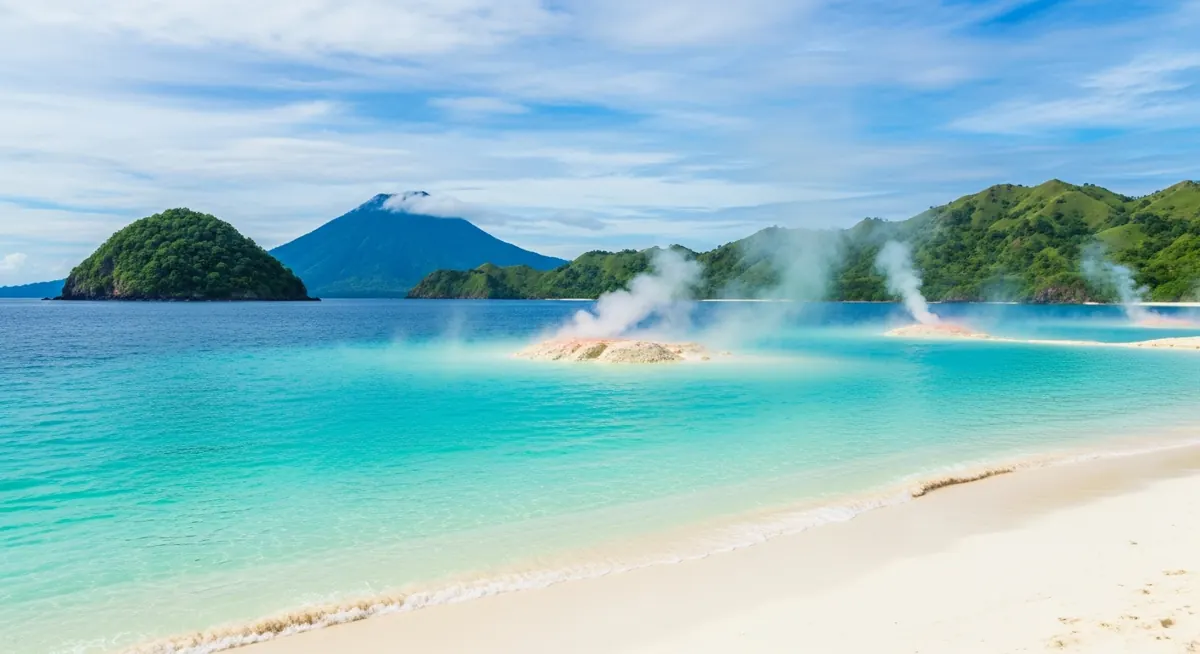
The Banda Sea, located in the eastern part of Indonesia, is renowned for its rich marine biodiversity and exceptional diving conditions. One of the critical factors influencing the diving experience in this region is the water temperature. The Banda Sea water temperature typically ranges from 26°C to 30°C (79°F to 86°F). These temperatures can affect your choice of exposure protection, diving comfort, and overall experience.
Seasonal Variations in Water Temperature
The water temperature in the Banda Sea can fluctuate slightly throughout the year, influenced by seasonal changes, ocean currents, and weather patterns. Here’s a breakdown of the seasonal temperature variations:
- January to March: During these months, the water temperature averages around 26°C (79°F). While this is still comfortable for diving, some divers may prefer a light wetsuit to maintain warmth during prolonged dives.
- April to June: Water temperatures rise to about 28°C (82°F). This is considered the optimal time for diving, and many divers opt for shorties or even a rash guard for protection against sun exposure and minor scrapes.
- July to September: Temperatures peak at around 30°C (86°F) during these months. Most divers find that a swimsuit or shorty is sufficient, as the warm water allows for extended dive times without feeling cold.
- October to December: As the season transitions, the water temperature gradually decreases to about 28°C (82°F) again. Light wetsuits are commonly worn during this time due to cooler currents.
Choosing the Right Exposure Protection
When planning your diving trip in the Banda Sea, selecting the right exposure protection is crucial for comfort and safety. The choice largely depends on water temperature, dive duration, and personal preference. Here are some options to consider:
1. Wetsuits
Wetsuits provide thermal protection and can help prevent abrasions from corals, jellyfish stings, and other marine life. In the Banda Sea, a 3mm to 5mm wetsuit is generally recommended for colder months (January to March and October to December).
2. Shorties
For warmer months (April to September), many divers opt for shorties or spring suits, which cover the torso but allow for full arm and leg movement. These suits are ideal for warm water conditions while still providing some level of protection against sunburn and minor injuries.
3. Rash Guards
Rash guards are another excellent option, especially for divers who prefer minimal exposure protection. They offer UV protection and are suitable for warmer water conditions. However, they do not provide thermal protection, so they are best used in warmer months with shorter dive durations.
Diving in the Banda Sea: What to Expect
The Banda Sea is a diver’s sanctuary, teeming with diverse marine life and striking coral reefs. When you book a liveaboard trip, you can expect to encounter a variety of underwater ecosystems ranging from shallow coral gardens to deep drop-offs. Here are some highlights:
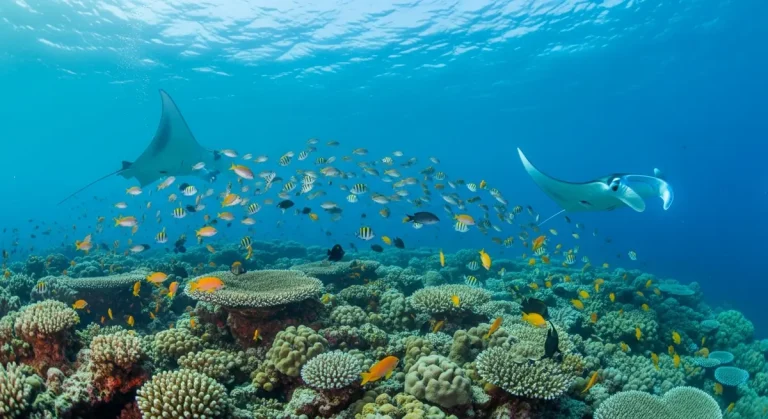
- Diverse Marine Life: The Banda Sea is home to an range of marine species, including colorful reef fish, sharks, manta rays, and even the elusive mola mola (sunfish). The rich biodiversity makes every dive a unique experience.
- Coral Reefs: The coral reefs in the Banda Sea are vital ecosystems that support marine life. Many liveaboard itineraries include dives at renowned sites known for their vibrant coral formations.
- Macro Life: For macro enthusiasts, the Banda Sea offers opportunities to spot tiny creatures like frogfish, nudibranchs, and various crustaceans. Dive guides are often skilled at finding these little-known spots.
Best Times to Dive in the Banda Sea
While diving is possible year-round, certain months are more favorable for optimal conditions. Typically, the best time for diving in the Banda Sea is between April and November. During this period, visibility tends to be at its best, and water temperatures are warmer.
- April to June: Expect warm water and great visibility. This is peak season for divers, so advance bookings are advisable.
- July to September: While still warm, these months can see increased currents. Divers should be prepared for varying conditions.
- October to November: Water temperatures start to cool slightly, but visibility remains good, making this a great time for underwater photography.
Booking Your Liveaboard Adventure
If you’re ready to explore the Banda Sea, consider booking a liveaboard trip that meets your diving needs. Options range from luxury vessels to budget-friendly choices, ensuring there’s something for everyone. For detailed booking information, visit our booking details page.
Choosing the Right Exposure Protection for Banda Sea Diving
Diving in the Banda Sea offers warm water temperatures, often ranging between 27°C to 30°C (80°F to 86°F). For these conditions, a 3mm wetsuit is typically sufficient for most divers. However, if you tend to get cold easily, consider bringing a 5mm wetsuit. For those who prefer minimal exposure protection, a shorty or rash guard can also be suitable, especially during the peak warm months. Always check current conditions before your trip to ensure you have the appropriate gear.
For planning your dive trip, you can see current rates or compare packages to find the best options for your adventure.