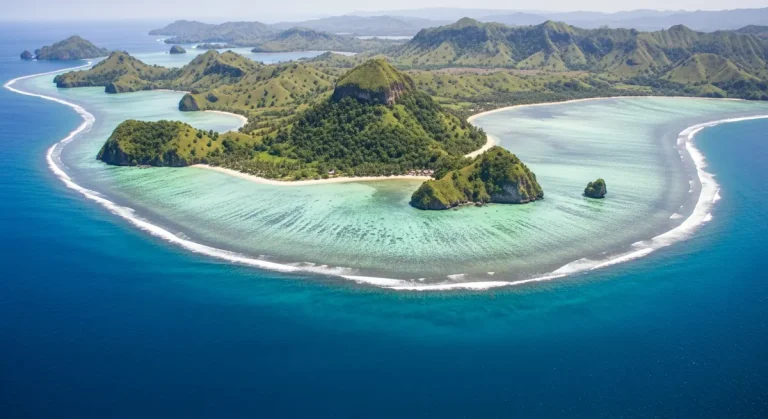
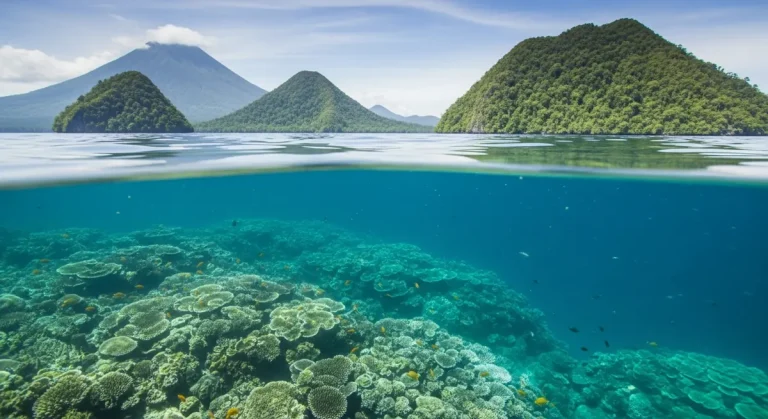
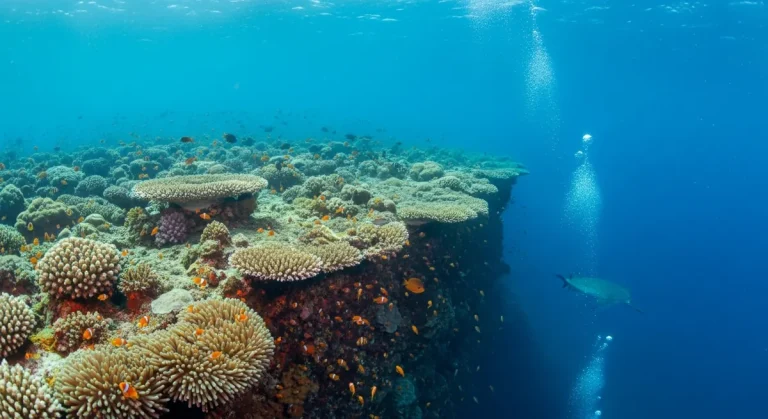
Banda Sea underwater visibility by month and season
– Best visibility typically occurs from September to November.
– Rainy season affects visibility from December to March.
– Peak diving season runs from April to November.
Understanding Banda Sea Visibility by Month
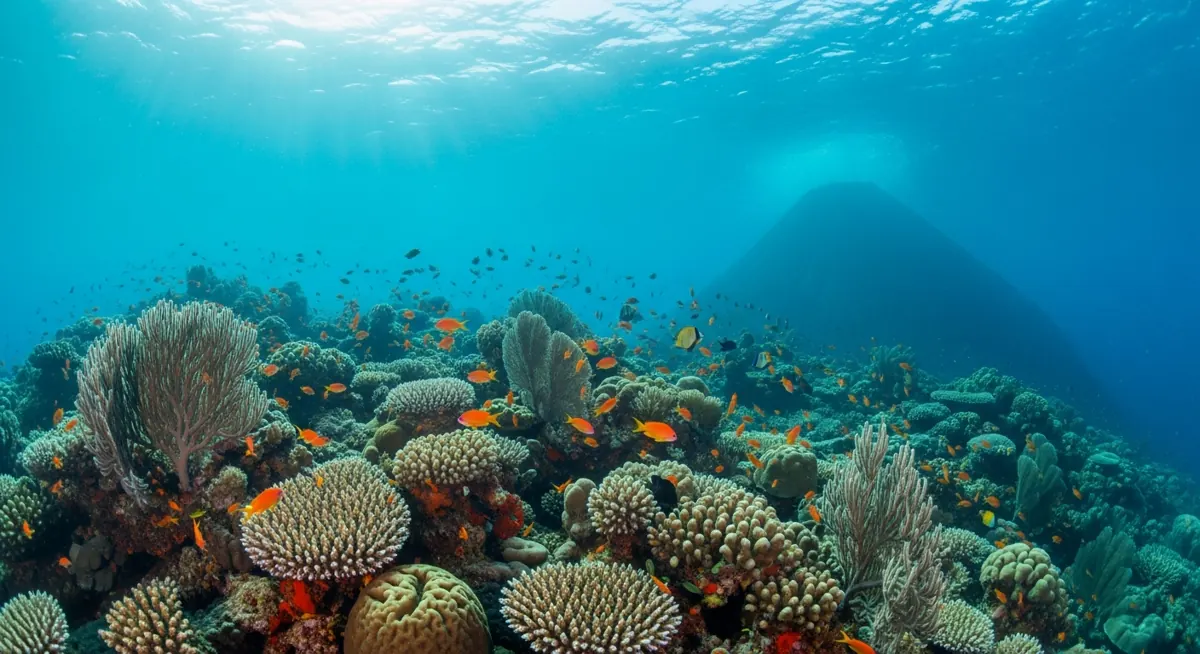
The Banda Sea is a premier diving destination in Indonesia, attracting enthusiasts with its diverse marine life and vibrant coral reefs. However, one critical factor to consider when planning your dive trip is underwater visibility, which can vary significantly throughout the year. This blog post outlines the visibility conditions in the Banda Sea by month and season, helping you choose the right time for your underwater adventure.
Seasonal Overview
The Banda Sea experiences distinct wet and dry seasons, influencing visibility.
- Dry Season: April to November
- Wet Season: December to March
The dry season is generally favored for diving, offering clearer waters and better visibility. Conversely, the wet season may bring rain and increased sediment, potentially reducing underwater clarity.
Monthly Visibility Breakdown
Here’s a month-by-month breakdown of the visibility conditions in the Banda Sea.
January
Visibility: 10-20 meters
January is part of the wet season, leading to reduced visibility. Rainfall can stir up sediments, making underwater conditions less ideal for diving. However, some areas may still offer decent visibility.
February
Visibility: 12-20 meters
February continues the trend of the wet season. Conditions may improve slightly compared to January, but divers should still be prepared for variable visibility.
March
Visibility: 15-25 meters
As the wet season draws to a close, visibility begins to improve. While rainfall can still impact conditions, divers may find more favorable visibility toward the end of the month.
April
Visibility: 20-30 meters
April marks the beginning of the dry season, and visibility improves significantly. This is an excellent time for diving, as marine life is abundant and visibility reaches optimal levels.
May
Visibility: 25-35 meters
May offers some of the best visibility of the year. The waters are generally calm, and divers can expect clear conditions, making it an ideal month for underwater exploration.
June
Visibility: 25-35 meters
June continues the trend of excellent visibility. With warm water temperatures and calm seas, divers can enjoy striking views of the underwater landscapes and rich marine biodiversity.
July
Visibility: 20-40 meters
July is another peak month for visibility in the Banda Sea. With conditions remaining stable, divers can experience exceptional clarity, making it perfect for underwater photography and spotting marine life.
August
Visibility: 20-40 meters
August matches July in terms of visibility. The dry season continues, and divers can expect fantastic conditions, with plenty of opportunities to see diverse marine species.
September
Visibility: 25-40 meters
September is often regarded as one of the best months for diving in the Banda Sea. Visibility can reach up to 40 meters, offering unparalleled opportunities for discovery and exploration.
October
Visibility: 20-35 meters
October remains favorable for divers, with good visibility conditions. The water is still warm, and marine life is abundant, making it a popular month for dive trips.
November
Visibility: 15-30 meters
As the dry season ends, November sees a gradual decrease in visibility. While still favorable compared to the wet season, divers may notice a slight decline as conditions begin to change.
December
Visibility: 10-20 meters
December marks the return of the wet season. Visibility may drop significantly due to increased rainfall and sediment. While diving is still possible, conditions may not be optimal.
Factors Influencing Visibility
Several factors can impact visibility in the Banda Sea:
- Weather: Rainfall can introduce sediment and debris into the water, reducing clarity.
- Current: Strong currents can stir up the ocean floor, affecting visibility.
- Location: Some dive sites consistently offer better visibility than others, depending on their environment and depth.
Choosing the Right Time for Your Dive Trip
When planning your dive trip in the Banda Sea, consider the following:
1. Visibility Preferences: If clear visibility is a priority for you, aim to schedule your trip between April and November.
2. Marine Life: Different months attract various species, so research what marine life you wish to see. For instance, certain species might be more prevalent during specific times of the year.
3. Crowds and Pricing: The peak diving season typically sees higher demand. Off-peak months may offer more budget-friendly options and fewer crowds. To check the current rates, see current rates.
Optimizing Dive Trips Around Banda Sea’s Visibility Patterns
For divers looking to explore the Banda Sea, timing your trip with the best visibility can make all the difference. November to March typically offers clearer waters, ideal for capturing the vibrant marine life and striking coral formations. If your priority is spotting hammerhead sharks, consider planning your dive during October or April, when these striking creatures are more frequently observed.
Need help planning your trip? Check out our banda Sea Liveaboard Pricing & Cost Guide guide or read the full guide for detailed information.